The Role of Positive Reinforcement in Building Self-Esteem in Adolescents

Understanding the Impact of Positive Reinforcement
Adolescence is a crucial stage of development, marked by significant changes both physically and emotionally. During this period, self-esteem plays a vital role in shaping an individual’s identity and future interactions. One powerful tool that parents, teachers, and mentors can utilize is positive reinforcement.
What is Positive Reinforcement?
Positive reinforcement refers to the practice of encouraging desired behaviors by offering rewards or recognition. This psychological principle operates on the premise that behaviors followed by positive outcomes are likely to be repeated. In adolescents, employing positive reinforcement can lead to a boost in their self-esteem and overall mental well-being.
Here are a few key points to consider:
- Encouraging Effort: Acknowledging effort over success can foster a growth mindset. For example, when a student receives praise for their hard work in preparing for an exam, regardless of the outcome, they are likely to feel motivated to continue applying themselves in the future.
- Building Confidence: Simple praise or rewards for achievements can enhance an adolescent’s confidence. For instance, a teacher who recognizes a student for their active participation in class discussions not only bolsters their confidence but also encourages them to engage more.
- Creating a Positive Environment: Positive feedback contributes to a supportive atmosphere, essential for healthy emotional development. In a Nigerian classroom, celebrating a student’s improvement, such as their increasing grades or their efforts in collaborative projects, can promote an inclusive environment that nurtures self-worth.
In Nigeria, where community and familial influence are significant, applying positive reinforcement can lead to notable changes in adolescents’ self-worth. Recognizing academic achievements, whether it’s scoring well in Mathematics or excelling in Art contests, participation in community service, or notable performances in sporting events, serves as motivation for young individuals to strive for more. Families that celebrate these milestones help cultivate a culture of recognition, inspiring adolescents to reach their full potential.
Why it Matters
The role of positive reinforcement in building self-esteem is essential to help adolescents navigate challenges. In an increasingly competitive world, where social media often showcases idealized images and lifestyles, self-esteem can be fragile. By creating an environment filled with encouragement, we equip young people with resilience and a strong sense of self. This resilience not only aids in overcoming academic and social challenges but also enhances their capacity to contribute positively to society.
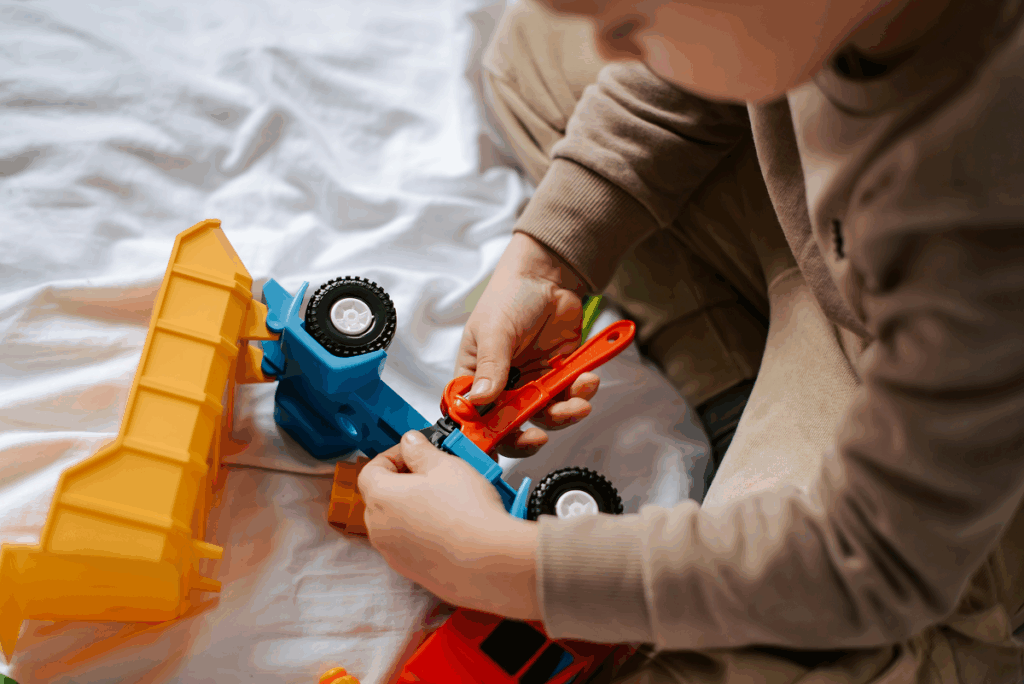
Ultimately, incorporating strategies such as verbal praise, rewards for achievements, or even creating recognition programs in schools can have a lasting impact on the self-esteem of young individuals. As caregivers and educators in Nigeria, it is crucial to understand how positive reinforcement can shape the future of our adolescents, laying a foundation for confident, resourceful, and motivated individuals who are prepared to take on life’s challenges.
SEE ALSO: Click here to read another article
Strategies for Implementing Positive Reinforcement
When it comes to harnessing the power of positive reinforcement to build self-esteem in adolescents, there are various strategies that parents, educators, and mentors can adopt. These methods not only promote desired behavior but also lay a solid foundation for nurturing a resilient self-image. Below are a few practical approaches that can be employed:
- Verbal Praise: One of the simplest yet most effective forms of positive reinforcement is verbal praise. Acknowledging the efforts and accomplishments of adolescents through encouraging words can have a profound impact on their self-worth. For instance, a teacher in a Nigerian classroom might say, “I am so proud of your improvement in Mathematics; your hard work is really paying off!” This simple affirmation can ignite a spark of motivation in a student.
- Recognition Programs: Schools and community organizations can implement recognition programs that celebrate students’ achievements beyond academics. Programs that honor involvement in extracurricular activities, community service, or showing kindness serve to acknowledge well-rounded contributions. These accolades remind adolescents of their unique strengths and provide a boost to their self-esteem.
- Goal Setting: Encouraging adolescents to set personal and academic goals offers a roadmap for achievement. When they experience success in reaching these milestones, whether it’s completing a project or mastering a new skill, offering positive reinforcement such as rewards or praise reinforces their hard work. Celebrating small wins creates a cycle of motivation and self-worth.
- Creating Safe Spaces: Building an environment where adolescents feel safe to express themselves and make mistakes is crucial. Open dialogues about their interests, fears, and aspirations allow for genuine connections. When their voices are valued and heard, it dramatically boosts self-esteem. For example, regular feedback sessions in schools can encourage students to share their thoughts constructively and foster personal growth.
The implementation of these strategies goes beyond merely giving praise; it involves cultivating a culture that values effort and recognizes individual potentials. Positive reinforcement can be tailored to fit the diverse backgrounds and challenges faced by adolescents in Nigeria. Families and communities play a pivotal role in encouraging consistent recognition for achievements, no matter how small. By establishing traditions that celebrate personal milestones, individuals not only feel appreciated but are inspired to pursue greater aspirations.
Measurement of Impact
To truly gauge the effectiveness of positive reinforcement in enhancing self-esteem among adolescents, it is essential to implement methods of feedback. Surveys and questionnaires can be utilized to collect data on students’ perceptions of their self-worth before and after positive reinforcement practices are introduced. Tracking academic performance and emotional well-being over time can give valuable insights into the correlation between praise and self-esteem.
Furthermore, anecdotal evidence from parents and teachers can provide context. For instance, a parent in Lagos may share stories of how their child has grown in confidence after being rewarded for creative expression in art. Such narratives underscore the importance of positive reinforcement and its ability to make tangible improvements in self-esteem.
The Impact of Positive Reinforcement on Self-Esteem Development
In the realm of adolescent development, the implementation of positive reinforcement serves as a vital component in cultivating self-esteem. This approach not only promotes desirable behaviors but also fosters a sense of accomplishment among young individuals. When adolescents receive genuine praise for their efforts—whether in academics, sports, or personal endeavors—it validates their hard work and encourages them to pursue further challenges, thus contributing to a positive self-image.Moreover, positive reinforcement can take various forms, including verbal affirmations, rewards, or even simple acknowledgment of achievements. Studies show that adolescents who experience consistent positive feedback are more likely to view themselves positively, which directly correlates with heightened motivation and resilience in facing the challenges of growing up. For instance, a teenager praised for their artistic talent is likely to explore their creative abilities further, leading to enhanced skills and greater self-confidence.Additionally, the social environment plays a crucial role in how positive reinforcement is received. Parents, teachers, and peers can significantly influence an adolescent’s feelings of worthiness. In environments where encouragement and support are prevalent, young people tend to feel safe to express themselves, make mistakes, and learn from them without fear of harsh criticism. This nurturing atmosphere lays the groundwork for developing a stable sense of self-esteem.Understanding the science behind positive reinforcement can motivate caregivers and educators to adopt methods that benefit adolescents’ emotional and psychological growth. As we delve deeper into the mechanisms of reinforcement, we learn not only how it impacts individual growth but also its broader implications on mental health and well-being.
| Category 1 | Category 2 |
|---|---|
| Types of Positive Reinforcement | Verbal praise, rewards, recognition |
| Outcome | Improved self-esteem, motivation, resilience |
By exploring various forms of positive reinforcement and their impacts, readers can gain insights into effective strategies to enhance self-esteem in adolescents. This knowledge encourages families and educational institutions to create supportive settings that prioritize emotional health during these critical developmental years.
YOU MAY ALSO LIKE: Read read another article
Long-Term Benefits of Positive Reinforcement
The long-term benefits of employing positive reinforcement in nurturing self-esteem in adolescents cannot be overstated. As adolescents experience consistent recognition and support, their self-perception evolves in profound ways. This not only builds confidence but also lays the groundwork for enduring emotional and psychological resilience in their future endeavors.
Psychological Research has shown that adolescents who receive regular positive reinforcement tend to develop a growth mindset. This concept, popularized by psychologist Carol Dweck, suggests that individuals who believe their abilities can be developed through hard work and dedication are more likely to embrace challenges, learn from criticism, and ultimately achieve greater success. In Nigerian contexts, where educational pressures may be high, fostering a growth mindset through positive reinforcement can significantly alter a young person’s academic trajectory.
Additionally, positively reinforcing effort rather than just outcomes is a crucial aspect. For instance, a student in a secondary school in Abuja who struggles with public speaking might be celebrated for their effort to participate in a school debate rather than simply winning or losing. This strategy encourages students to focus on the process of learning. By offering praise for putting themselves out there, students may subsequently take more risks, progress academically, and embrace opportunities without the fear of failure hindering them.
Community and Cultural Engagement
The influence of community and cultural engagement is particularly salient in Nigeria, where communal ties hold significant importance. Involving family members, community leaders, and peers in the reinforcement process amplifies positive outcomes. For example, creating community events that recognize students’ diverse talents—from sports to arts—can instill a sense of belonging and pride. Such recognition creates a collective atmosphere of encouragement, which further elevates the self-esteem of adolescents.
Moreover, the implementation of mentorship programs can greatly enhance the reach and impact of positive reinforcement. Mentoring relationships offer a unique avenue to provide personalized feedback and support. For instance, pairing students with successful role models in their desired fields can provide not just motivation but also practical advice. These mentorships can help to break barriers and challenge stereotypes, particularly for marginalized groups in Nigerian society, fostering an environment where every adolescent feels valued and capable of achieving their dreams.
Culturally Relevant Reinforcement Practices
Adopting culturally relevant positive reinforcement practices is essential to resonate with the diverse backgrounds of Nigerian adolescents. For instance, integrating local customs and languages into recognition programs can create more meaningful connections. When adolescents see their culture reflected in the ways they are celebrated, it deepens their sense of self-worth and belonging. Schools could also introduce competitions that celebrate indigenous knowledge and skills, ensuring that even those not excelling in conventional academics can find pride and be acknowledged for their unique capabilities.
Lastly, it is crucial to consider the timing and consistency of positive reinforcement. Adolescents are susceptible to both external influences and internal doubts; therefore, ongoing support can help mitigate these challenges. Regular check-ins, feedback loops, and celebrations of progress serve to reinforce the notion that effort is recognized and valued continuously, rather than sporadically. In doing so, adolescents are less likely to equate their worth with transient successes or failures, leading to a healthier self-image.
YOU MAY ALSO LIKE: Read read another article
Conclusion
In summary, the role of positive reinforcement in building self-esteem in adolescents is a pivotal factor that can significantly influence their developmental journey. As highlighted throughout this article, consistent recognition and encouragement foster not only confidence but also a growth mindset that empowers young people to embrace challenges. This is crucial, especially in the Nigerian context, where societal expectations and educational pressures are often formidable.
The engagement of the community and culture further amplifies the effects of positive reinforcement. By creating an environment where effort is celebrated regardless of the outcomes, adolescents are encouraged to take risks and learn from their experiences—an approach that can help shape future leaders. Incorporating culturally relevant practices and involving mentors reinforces the idea that every individual, regardless of background, holds intrinsic value and capability.
Moreover, maintaining consistency in positive reinforcement allows adolescents to develop a stable self-image that does not hinge on momentary achievements or failures. As they navigate through their formative years, the implementation of positive reinforcement strategies becomes not just beneficial but essential. Ultimately, such practices may pave the way for emotionally resilient young adults poised to contribute meaningfully to society. Thus, investing efforts into reinforcing the self-esteem of adolescents stands as a top priority for families, educators, and communities alike, resulting in a brighter future for all.
Related posts:
The Influence of Positive Reinforcement on the Development of a Growth Mindset in Children
Positive Reinforcement in Mentoring Programs: Cultivating a Growth Mindset in Young Professionals
How Positive Reinforcement Can Increase Engagement in Extracurricular Activities and Foster a Growth...
How Positive Reinforcement Can Increase Persistence in High School Students
Positive Reinforcement as a Strategy to Foster Creativity in Workplace Environments
Positive Reinforcement Strategies for Professionals: How to Cultivate a Growth Mindset in the Workpl...

Linda Carter is a writer and self-discipline expert specializing in personal growth, habit building, and goal achievement. With extensive experience helping individuals develop focus, consistency, and resilience, Linda shares her knowledge on our platform. Her goal is to empower readers with practical advice and strategies to cultivate self-discipline, make intentional choices, and achieve success in both their personal and professional lives.