The Role of Learning Communities in Strengthening the Growth Mindset
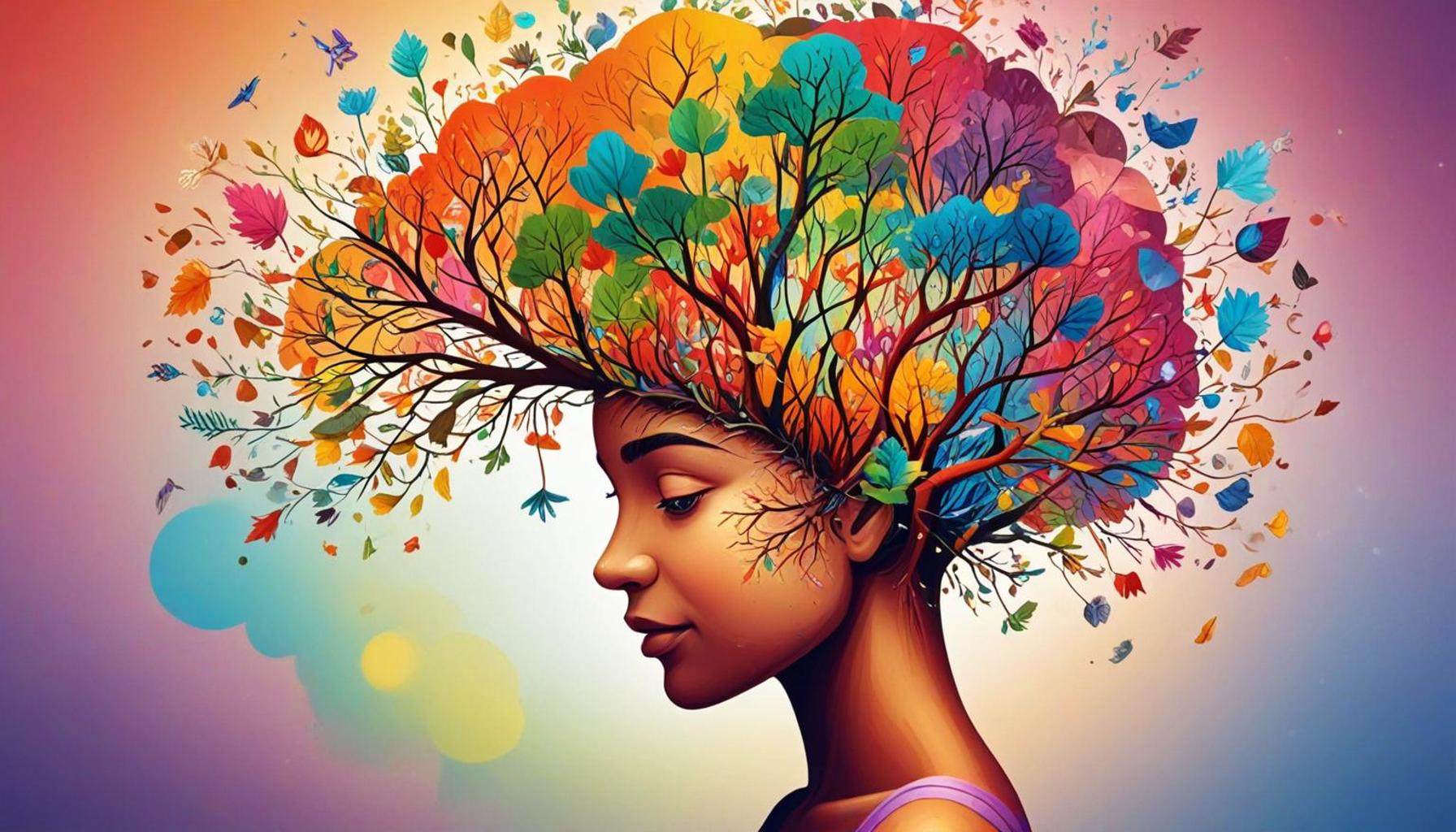
Understanding the Growth Mindset
In recent years, the idea of a growth mindset—pioneered by psychologist Carol Dweck—has fundamentally altered how we perceive learning and intelligence. Unlike a fixed mindset, which posits that our capabilities are stagnant, a growth mindset advocates that with effort, persistence, and resilience, we can improve and excel. This concept is particularly transformative in diverse educational settings like Nigeria, where varying resources and backgrounds can challenge learning experiences.
The Role of Learning Communities
Learning communities form the backbone of nurturing a growth mindset by promoting collaboration, where participants from different walks of life unite with the common goal of enhancing knowledge. These communities can exist in various forms, whether through formal educational institutions, community groups, or even online platforms. For instance, a collaborative project among students from different regions in Nigeria can foster not only academic growth but also cultural understanding.
- Collaborate and Share Knowledge: By participating in group projects or discussions, learners can exchange ideas and solutions. This collective approach encourages individuals to not shy away from sharing their thoughts, enhancing problem-solving skills.
- Encourage Embracing Challenges: In a learning community, members can motivate one another to tackle complex subjects or tasks. A student struggling with mathematics may gain confidence and new strategies through support from peers who have previously overcome similar challenges.
- Receive Valuable Feedback: Constructive feedback from peers and mentors is invaluable. For instance, if someone presents a business idea, receiving diverse perspectives can refine their approach and improve their critical thinking skills.
Bridging Gaps in Educational Resources
In Nigeria, where educational resources may not always meet the demand, learning communities can effectively bridge the gaps. They provide a platform for:
- Skill Enhancement: With various expertise within a community, members can learn from each other. Workshops or study groups can focus on technological skills, arts, or agricultural practices crucial for local development.
- Cultural Exchange of Ideas: The richness of Nigeria’s cultural diversity can be harnessed in these communities to encourage knowledge-sharing. For example, a student from the North may share agricultural techniques that can be beneficial to those in the South.
- Shared Goal-Setting and Achievement: Establishing common objectives encourages collective accountability. This might manifest in initiatives aimed at improving literacy rates or organizing community health workshops.
Empowerment through Structured Interactions
Ultimately, learning communities cultivate environments that empower learners to not only advance academically but also engage with their surroundings actively. The bonds formed and insights shared enhance the overall educational discourse, leading to a resilient and adaptive mindset among participants. This collective growth not only benefits individuals but also contributes toward a stronger educational framework that can withstand and thrive amidst challenges.
A Call to Action
As we delve deeper into the mechanics of these learning communities, it is vital to recognize their potential in shaping a growth mindset. Australia boasts successful case studies where similar models have been adopted, and learning communities have thrived, resulting in impressive academic performances. Thus, understanding and applying these principles can transform not only individual journeys in Nigeria’s educational landscape but also foster a broader, more inclusive vision for the future. Join us in exploring how these enriching environments can turn dreams of self-improvement into actionable realities.

ADDITIONAL INSIGHTS: Expand your understanding here
Fostering Collaboration and Collective Growth
At the core of learning communities is the emphasis on collaboration, which serves as a catalyst for strengthening a growth mindset. In Nigeria, where educational disparities can often overshadow individual potential, learning communities stand out as powerful networks that create inclusive environments for diverse learners. These communities—whether formed through local schools, community organizations, or virtual platforms—enable individuals to work together towards shared educational goals, fostering an atmosphere where continuous improvement is not just encouraged, but celebrated.
In such environments, participants engage in a variety of collaborative activities that not only deepen their understanding but also reinforce the belief that learning is a lifelong journey. For instance, consider a scenario where high school students in Lagos form a study group that meets weekly to tackle challenging subjects. Through intensive discussions and peer tutoring, each member learns new strategies to approach complex problems, while also developing a sense of camaraderie that boosts their confidence. This dynamic underscores the powerful impact of social support in nurturing a growth mindset.
- Peer Learning Opportunities: Engaging in group activities allows learners to benefit from each other’s strengths. A student proficient in science may explain complex concepts to a peer struggling in that subject area, thereby solidifying their own knowledge through teaching.
- Mutual Motivation: In a learning community, members often inspire one another to persist through challenges. When facing obstacles, students who witness their peers overcoming similar difficulties are more likely to adopt a resilient attitude.
- Shared Celebrations: Acknowledging each other’s achievements, no matter how small, reinforces the idea that every step counts in the journey of learning. Celebrating milestones, such as completing a challenging project or mastering a difficult skill, encourages a positive outlook on future challenges.
Furthermore, learning communities play a crucial role in expanding perspectives. With participants often coming from varied cultural or educational backgrounds, these interactions create fertile ground for rich discussions. For example, a community comprising students from both urban and rural areas may explore differing educational resources and approaches, thereby enriching their understanding of the broader educational landscape in Nigeria. Such exchanges not only help participants appreciate diverse viewpoints but also pave the way for innovative solutions to common challenges.
Encouraging Resilience through Shared Experiences
One of the most significant contributions of learning communities is their ability to instill a sense of resilience among members. When individuals face setbacks, the support system of their community can provide the encouragement needed to persevere. A learner who receives constructive feedback from peers in a particularly challenging training program, for instance, may feel empowered to refine their approach rather than abandon their efforts. This collective resilience not only fosters personal growth but also solidifies the community’s commitment to shared progress.
As these educational networks continue to rise in popularity across Nigeria, they present a crucial opportunity for learners to reinforce their growth mindsets. By embracing collaboration, mutual support, and diverse perspectives, individuals are not merely improving their academic skills but also building a foundation for lifelong learning and adaptability. Ultimately, the role of learning communities is an indispensable element in cultivating a robust environment where growth flourishes.
| Advantages | Description |
|---|---|
| Enhanced Collaboration | Learning communities foster environments where individuals can collaborate, share ideas, and inspire one another. |
| Resilience Building | Members learn from failures together, which promotes resilience and encourages a growth mindset across the community. |
| Access to Diverse Perspectives | Engaging with people from varied backgrounds leads to broadened viewpoints and richer learning experiences. |
| Continuous Support | Learning communities provide ongoing support, ensuring members remain motivated and accountable in their growth journeys. |
CHECK OUT: Click here to explore more
Building a Culture of Lifelong Learning
In the heart of learning communities lies the powerful notion of building a culture of lifelong learning. This culture not only nurtures the intellectual capacity of its members but also reinforces the essential principle that growth is a continuous process. In Nigeria, where formal education often presents challenges such as overcrowded classrooms and limited resources, learning communities offer an alternative avenue for learners to pursue knowledge outside traditional settings.
Members of these communities often engage in workshops and skill-sharing sessions, which serve to disseminate knowledge and foster a sense of belonging. For example, in a learning community formed in southern Nigeria, individuals might gather to exchange practical skills, such as coding or agricultural techniques. Through this sharing, participants are not only expanding their skill sets but also embracing the growth mindset, which emphasizes the value of effort and the capacity to improve. The act of teaching and learning from one another affirms the belief that intelligence and abilities can be developed through dedication and hard work.
- Flexible Learning Modalities: Learning communities are often adaptable, embracing various forms of learning that include hands-on practice, online resources, and peer mentoring. This flexibility allows individuals to explore topics in depth while accommodating different learning styles, enhancing engagement.
- Feedback Loops: Consistent feedback is a cornerstone of the learning process within these communities. Members receive constructive critiques from their peers, fostering a willingness to learn from mistakes and leading to improved performance over time.
- Networking Opportunities: Learning communities also serve as platforms for networking, where members can connect with mentors and industry professionals. For instance, a group focused on digital marketing may invite local experts to share insights, thus broadening the participants’ understanding of potential career paths and the skills required to succeed.
The influence of learning communities on promoting a growth mindset extends beyond immediate academic results. They play a pivotal role in shaping attitudes toward failure. In a traditional educational context, failure is often stigmatized, which can discourage students from taking risks. However, within supportive learning communities, members receive reassurance that setbacks are not indicative of inability, but rather stepping stones to mastery. This paradigm shift is crucial for cultivating resilience and a proactive approach to learning.
The use of success stories within learning communities can further reinforce these ideas. By sharing narratives of individuals who have faced adversity yet achieved their goals through perseverance, members inspire each other to embrace challenges with an optimistic outlook. These real-life examples demonstrate that growth is not merely a destination but a journey that requires tenacity, adaptability, and a supportive network.
In Nigeria’s rapidly evolving educational landscape, the integration of learning communities is becoming increasingly essential. They provide spaces where learners can thrive beyond the constraints often imposed by the formal system. By fostering a culture of lifelong learning, these communities empower individuals to unlock their full potential while entrenched in a belief system that champions growth and resilience.
RECOMMENDED: Check out this similar article
Conclusion: Embracing Growth Through Learning Communities
As we navigate the complexities of education in Nigeria, the importance of learning communities in nurturing a robust growth mindset becomes increasingly evident. These communities transcend the limitations of traditional schooling, providing an inclusive framework where individuals are encouraged to explore, learn, and fail without the fear of judgment. They serve as avenues for building critical skills and fostering resilience, all while instilling the belief that continuous improvement is not just possible, but essential.
The dynamic interactions within these groups allow members to cultivate their potential by learning from each other’s experiences, sharing knowledge, and gaining valuable insights from mentors. As they engage in diverse activities—from coding workshops to agricultural projects—participants not only acquire new skills but also develop a deeper understanding of their own capabilities and the significance of perseverance. The value of feedback loops further enhances this culture, inviting constructive dialogue that fuels growth and adaptation.
Ultimately, learning communities offer a vital support system that champions the idea that challenges and setbacks are integral to the learning process. By reshaping perceptions around failure, they empower individuals to embrace adversity as a stepping stone to greatness. As Nigeria continues to evolve, harnessing the power of learning communities will be instrumental in fostering a society that values lifelong learning and champions the growth mindset. Leveraging these networks can pave the way for a brighter, more innovative future where every individual is equipped to thrive in the face of challenges.
Related posts:
The Importance of Lifelong Learning for a Growth Mindset Development
Developing Resilience Skills Through Continuous Learning
The Importance of Curiosity and Innovation in Continuous Learning in Nigeria
Continuous Learning and Adaptation to Changes in the Nigerian Labor Market
Developing a Growth Mindset Through Practical and Collaborative Projects
The Importance of Networking and Deep Communities in Continuous Learning and Personal Growth

Linda Carter is a writer and self-discipline expert specializing in personal growth, habit building, and goal achievement. With extensive experience helping individuals develop focus, consistency, and resilience, Linda shares her knowledge on our platform. Her goal is to empower readers with practical advice and strategies to cultivate self-discipline, make intentional choices, and achieve success in both their personal and professional lives.