The Importance of Resilience in Developing a Growth Mindset in Young Nigerians

Understanding Resilience and Growth Mindset
In today’s fast-paced world, young Nigerians face numerous challenges that test their strength and determination. Resilience is an essential trait that helps them navigate obstacles and setbacks, ultimately fostering a growth mindset. This powerful combination shapes how they approach learning and personal development.
The Role of Resilience
Resilience is more than just bouncing back from difficulties; it’s about thriving despite adversity. It encompasses several crucial aspects that can empower young individuals. For instance, overcoming challenges with a positive outlook is essential for young Nigerians, particularly in environments where economic instability and social pressures can lead to discouragement. By maintaining an optimistic perspective, they can view failures as stepping stones to success rather than insurmountable barriers.
Moreover, the ability to adapt to new situations and changes is a hallmark of resilience. In Nigeria, where rapid urbanization and technological evolution are transforming daily life, young people are frequently required to adjust to new realities. Whether navigating the ever-changing job market or adapting to online learning platforms, this adaptability is vital for their success.
Additionally, building mental and emotional strength is fundamental to resilience. Programs that emphasize mental health awareness are crucial, as they provide young Nigerians with tools to handle stress and anxiety effectively. Community support, mentorship programs, and educational initiatives can significantly contribute to enhancing this emotional fortitude.
Connecting Resilience and Growth Mindset
A growth mindset encourages individuals to embrace challenges as opportunities for development. The connection between resilience and a growth mindset includes enhancing problem-solving skills. When confronted with obstacles, resilient individuals are better equipped to think creatively and develop innovative solutions, skills that are increasingly valuable in today’s competitive environment.
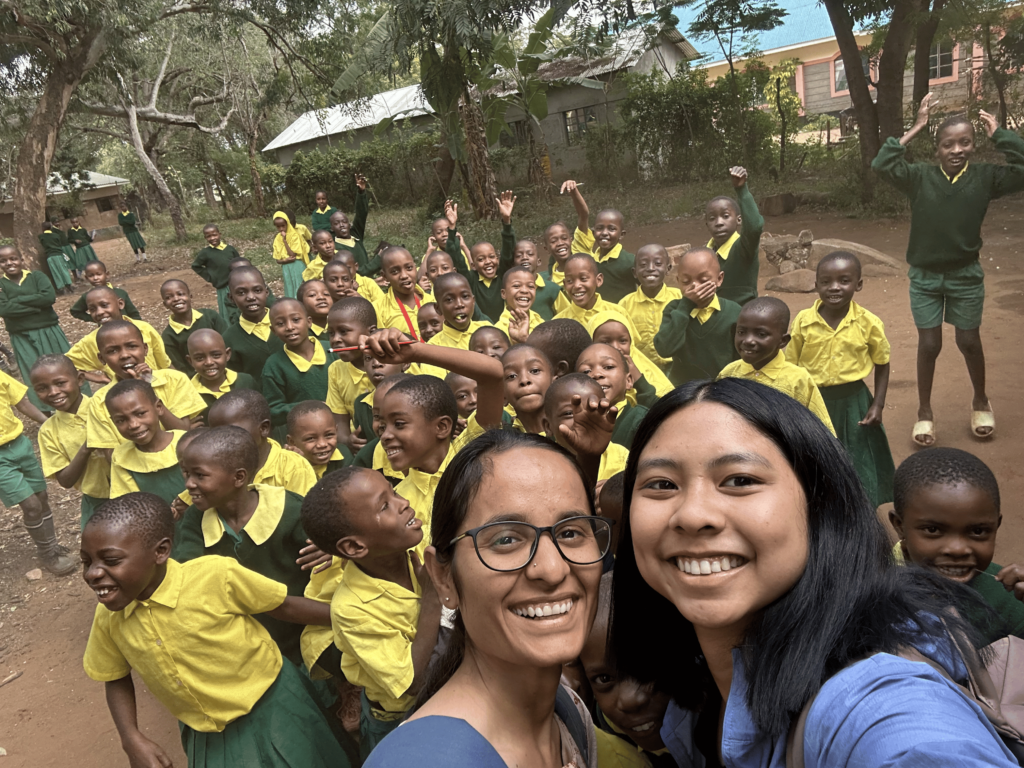
Furthermore, promoting continuous learning and self-improvement is essential in fostering this mindset. Young Nigerians can draw inspiration from local success stories, such as those of inventors and entrepreneurs who have overcome substantial challenges, showcasing how perseverance can lead to remarkable achievements.
Finally, resilience nurtures the belief in one’s abilities despite failures. This perspective is particularly important in a country like Nigeria where the fear of failure can stifle ambition. Embracing failure as a part of the learning process allows young people to take risks and pursue their dreams with confidence.
In a vibrant country like Nigeria, where economic and social pressures are prevalent, nurturing resilience in the youth is vital. It equips them to face the complexities of life while striving for success. This article explores the importance of resilience and how it cultivates a growth mindset among young Nigerians, leading to greater achievements and a brighter future.
CHECK OUT: Click here to explore more
The Critical Traits of Resilience
To understand the importance of resilience in developing a growth mindset among young Nigerians, it is crucial to first identify the key traits of resilience. These attributes not only empower individuals to face challenges head-on but also pave the way for continuous personal growth. Among the most significant traits are:
- Optimism: A resilient mindset thrives on the power of positive thinking. Young Nigerians who cultivate optimism are more likely to see potential in difficult situations, allowing them to stay motivated and strive towards their goals.
- Perseverance: This trait is about persistence in the face of setbacks. In a nation where unemployment and economic challenges can be overwhelming, young people must learn to keep pushing forward, even when the odds seem stacked against them.
- Self-awareness: Understanding one’s strengths and weaknesses is crucial for personal development. Through self-reflection, young Nigerians can identify areas for improvement and actively seek opportunities to enhance their skills.
- Empathy: Resilience isn’t just about individual growth; it’s also about building supportive networks. By empathizing with their peers, young Nigerians can foster collaboration and share strategies to overcome common challenges.
Resilience in the Context of Nigerian Youth
The context in which young Nigerians are developing their resilience cannot be overstated. With the backdrop of economic disparities, inadequate education systems, and societal expectations, young people are often faced with multifaceted challenges. For instance, according to the World Bank, Nigeria has one of the highest rates of youth unemployment, which can lead to feelings of hopelessness and frustration if not addressed with a resilient mindset.
This situation emphasizes the importance of educational and community initiatives that cultivate resilience. Programs designed to foster problem-solving skills and encourage a proactive approach to challenges can significantly impact young people’s ability to thrive. Educational institutions, therefore, play a crucial role in integrating resilience training within their curricula, helping students to not only acquire knowledge but also develop essential life skills.
Moreover, success stories from local entrepreneurs and innovators serve as vital sources of motivation for young Nigerians. For example, individuals like Iyinoluwa Aboyeji, who co-founded Andela and Flutterwave, illustrate how resilience and a growth mindset can lead to significant achievements. These narratives offer relatable examples for the youth and highlight that perseverance and adaptability can indeed result in transformative outcomes.
As we delve deeper into the intricate relationship between resilience and a growth mindset, it becomes increasingly clear that fostering these traits among young Nigerians is not just beneficial; it is imperative for navigating an unpredictable future. The demand for adaptable, resilient individuals capable of embracing change and overcoming adversity remains paramount in this evolving landscape.
The Impact of Resilience on Academic Achievement
Resilience plays a pivotal role in enhancing the academic performance of young Nigerians. When students face challenges—whether in examinations, group projects, or personal life issues—those with a resilient mindset tend to rebound more effectively. This ability to recover from setbacks encourages a persistence that is crucial for academic success. Resilient students are more inclined to adopt a strong growth mindset, viewing failures as opportunities for growth rather than as insurmountable obstacles.
Examples of Resilience in Action
For instance, young Nigerians who experience economic challenges often learn to navigate resource constraints creatively. They develop innovative strategies for studying and accessing educational materials, effectively turning perceived disadvantages into stepping stones for success. This real-world application of resilience helps to cultivate a proactive attitude towards life and education, thereby reinforcing the notion that challenges can drive personal and academic growth.
Building Supporting Communities
The importance of community support cannot be overstated. Schools, families, and local organizations that foster environments promoting resilience can significantly influence young people’s mindsets. When youths see role models persevering through challenges, they are inspired to emulate these behaviors. Programs aimed at mentoring and peer support activities can enhance resilience by providing necessary tools and resources, allowing young Nigerians to realize their potential.
The Role of Mentorship
Mentorship can act as a vital lifeline. Engaging with mentors who exemplify resilience instills the belief that they too can persist through difficulties. Such interactions not only provide academic guidance but also instill life skills that are transferable beyond educational settings. Consequently, the development of a resilient mindset is facilitated, reinforcing a continuous cycle of growth and achievement.
| Advantages of Resilience | Key Characteristics |
|---|---|
| Enhanced Problem-Solving | Resilient individuals often develop strong analytical skills, enabling them to tackle challenges effectively. |
| Greater Emotional Regulation | Young Nigerians learn to manage their emotions, fostering a conducive learning environment and improving well-being. |
Incorporating resilience education in Nigerian youth, therefore, manifests not only in academic contexts but also intertwines with life skills that form the foundation of personal development. By emphasizing resilience, young Nigerians can build the necessary mental fortitude to navigate an uncertain future with optimism and determination.
LEARN MORE: This related article may interest you
The Intersection of Resilience and Cultural Context
Understanding resilience within the cultural framework of Nigeria is vital. The nation boasts a rich tapestry of traditions and communal values that can either bolster or hinder the development of a growth mindset. Family structures, peer relationships, and cultural attitudes towards failure deeply influence how young Nigerians perceive challenges. In many communities, there exists a prevailing notion that failure is unacceptable, which can stifle creativity and risk-taking. Therefore, shifting this cultural paradigm towards a more accepting view of failure as a learning opportunity can be instrumental in fostering resilience.
A pivotal aspect of resilience is the ability to adapt one’s thought processes. The concept of ‘Ajao’—the Igbo term for perseverance—emphasizes the importance of endurance over adversity. By integrating cultural teachings like Ajao into educational and community initiatives, young Nigerians can develop a greater sense of resolve when faced with difficulties. Cultural mentors and local leaders sharing their experiences of overcoming hurdles can also serve as powerful reminders that resilience is a shared value and not an isolated trait.
The Role of Technology and Innovation
In an era where technology plays a fundamental role in shaping professional landscapes, young Nigerians stand at the forefront of a digital revolution. The rise of tech hubs and digital startup ecosystems across cities like Lagos and Abuja provides ample opportunities for resilience to flourish. These spaces encourage young innovators to experiment, fail, and succeed, thus embracing a growth mindset.
For instance, platforms like Co-Creation Hub (CcHub) have empowered young Nigerians to innovate sustainably by providing resources, mentorship, and networking opportunities. By engaging in collaborative projects, youth can experience first-hand how resilience contributes to both their individual journeys and the collective progress of their communities. Many young Nigerians involved in these initiatives have learned that setbacks are integral to the learning process, emphasizing that resilience is essential not just for personal success but also for societal development.
Community Support Systems
A strong network of support systems is crucial in fostering resilience among Nigerian youth. Families and community groups that promote open dialogue about mental health and personal challenges create safe spaces where young people can express their struggles and successes. Initiatives such as peer support groups encourage camaraderie, enabling youth to lean on each other during tough times. Research shows that social support is linked to greater resilience, as young people feel less isolated in their experiences.
Programs that train adults to encourage resilience in the youth can also have a profound effect. Parental workshops that educate caregivers on paramount approaches to instilling resilience and nurturing a growth mindset can pave the way for positive generational change. By reinforcing a culture of encouragement, young Nigerians can be assured that they possess the capabilities to navigate their hurdles effectively.
The intersection of resilience with innovation, community support, and cultural frameworks creates fertile ground for nurturing a growth mindset. As young Nigerians embrace these dynamics, they are likely to emerge as adaptable leaders prepared to tackle both local and global challenges. Subsequently, such equipped individuals will not only stand out in their personal pursuits but will also contribute significantly to the nation’s socio-economic landscape.
YOU MAY ALSO LIKE: Read read another article
Conclusion
As Nigeria continues to navigate the complexities of a rapidly changing world, the cultivation of resilience among its youth cannot be overstated. The synergy between resilience and a growth mindset fosters an environment where young Nigerians are not only equipped to face challenges but also to innovate and thrive in their endeavors. By recognizing the cultural narratives surrounding failure and transforming them into narratives of learning and progress, we can empower the next generation to embrace setbacks as stepping stones rather than barriers.
Moreover, the integration of technological advancements into this framework presents unique opportunities for resilience to flourish. Initiatives like tech hubs allow young innovators to challenge the status quo, encouraging a culture of experimentation and growth that is crucial for personal and societal transformation. Likewise, community support systems play a pivotal role in reinforcing resilience. When families and peers create spaces for open discussion about struggles and successes, they reduce feelings of isolation and bolster confidence.
The development of resilience is not solely an individual pursuit; it is a collective effort that integrates culture, technology, and community. As stakeholders—including educators, parents, and local leaders—commit to nurturing resilience, we pave the way for a generation of adaptable leaders. These individuals will not only enhance their own prospects but also contribute significantly to national development. In essence, resilience is the bedrock upon which a thriving, growth-oriented mindset is built, making it essential for the future of young Nigerians and the country at large.
Related posts:
Personal Resilience: How Growth Mindset Techniques Can Help Nigerians Overcome Cultural and Social B...
Emotional Resilience: Growth Mindset Techniques for Facing Personal and Social Crises in Nigeria
Collective Resilience: How Growth Mindset Techniques Can Unite Communities in Times of Crisis
Innovation and Resilience: How Growth Mindset Techniques Can Boost Startups in Challenging Environme...
Resilience in Agriculture: Growth Mindset Techniques to Adapt to Climate Change in Nigeria
Resilience in Public Health: Growth Mindset Techniques to Tackle Epidemics and Health Challenges in ...

Linda Carter is a writer and self-discipline expert specializing in personal growth, habit building, and goal achievement. With extensive experience helping individuals develop focus, consistency, and resilience, Linda shares her knowledge on our platform. Her goal is to empower readers with practical advice and strategies to cultivate self-discipline, make intentional choices, and achieve success in both their personal and professional lives.