The Importance of Lifelong Learning for a Growth Mindset Development
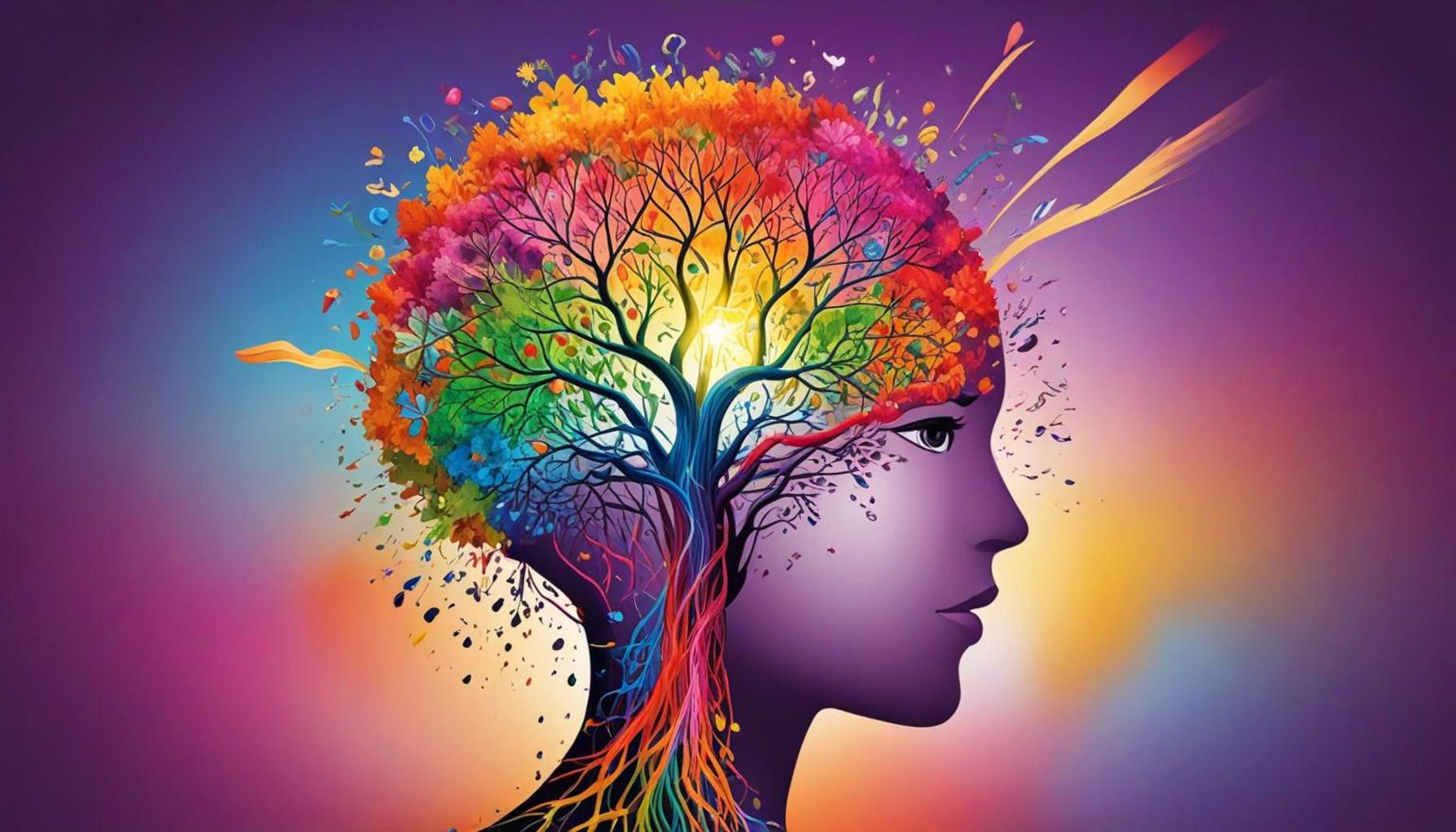
Embracing Lifelong Learning
The concept of a growth mindset, popularized by psychologist Carol Dweck, highlights the belief that abilities and intelligence can be developed through dedication and hard work. Central to this philosophy is the idea of lifelong learning, which promotes continuous personal and professional development throughout one’s life. In today’s rapidly changing world, the ability to adapt and learn is more crucial than ever.
Why Lifelong Learning Matters
- Adaptability: Learning new skills allows individuals to stay relevant in a dynamic job market.
- Resilience: Embracing challenges and failures fosters resilience and strengthens problem-solving skills.
- Innovation: Continuous learning fuels creativity and innovation, driving personal and organizational growth.
This article delves into the significance of lifelong learning in cultivating a growth mindset. Furthermore, we will present the Top 5 techniques to enhance this invaluable approach to learning. Prepare to uncover strategies that can transform your perspective and lead to lasting success.
LEARN MORE: This related article may interest you
The Importance of Continuous Learning in Building a Growth Mindset
In today’s rapidly evolving society, continuous learning stands as a cornerstone for personal and professional development. It plays a crucial role in nurturing a growth mindset, a concept that has become increasingly relevant in our ever-changing world. This article explores five essential elements that underscore the importance of continuous learning, illustrating how each contributes to fostering a mindset dedicated to constant improvement and adaptation.
5. Adaptability in Times of Change
In an era characterized by technological advancement and shifting workplace demands, the ability to adapt is paramount. Continuous learning equips individuals and organizations with the tools to update their skills and knowledge to meet emerging challenges. Engaging in lifelong learning not only bolsters one’s resilience but also enhances one’s preparedness to tackle unforeseen challenges. For instance, consider the rapid rise of remote work, a trend accelerated by the global pandemic. Professionals who embraced online learning platforms to acquire new digital competencies found themselves better positioned to thrive in virtual environments.
Furthermore, adaptability transcends personal growth; it is a necessity in today’s competitive landscape. Through a commitment to continuous learning—via courses, readings, and trainings—individuals can pivot when circumstances demand it. This perpetual learning mindset establishes a foundation that enables innovation and flexibility, ultimately facilitating smoother transitions in the face of change.
4. Development of New Skills
Continuous learning is one of the most effective paths to acquiring new skills, which are indispensable for personal and professional expansion. By delving into various fields, learners broaden their skillsets, becoming more versatile and valuable contributors. This process might involve mastering technical skills like programming or digital marketing techniques, alongside soft skills such as interpersonal communication and problem-solving. Notably, today’s job market increasingly favors those who can demonstrate a fusion of these abilities.
The diverse skillset attained through continuous learning not only enhances an individual’s professional value but also stimulates innovation. For example, a professional who understands both technical coding and creative marketing can devise unique digital campaigns that leverage technical insights to captivate audiences. This blend of skills fuels creativity, permitting fresh approaches to problem-solving and strategic thinking.
3. Role of Curiosity and Initiative
Curiosity serves as the driving force behind the desire for continuous learning. When a person embraces a growth mindset, they naturally become more inquisitive, eager to embark on new learning ventures. This initiative to research, question, and explore novel concepts reinforces their commitment to self-improvement. The power of active curiosity is transformative, leading to groundbreaking discoveries and innovations. A vivid example is the tech industry, where curious minds regularly push boundaries, spawning new technologies and solutions.
In the workplace, professionals who embody curiosity tend to stand out. They are often the ones exploring uncharted territories and proposing unconventional solutions. Their willingness to learn and adapt invariably leads to contributions that are both innovative and impactful. Such individuals are not only assets to their organizations but also role models, inspiring their peers to adopt similar attitudes towards learning.
2. Overcoming Challenges and Failures
At the heart of a growth mindset lies the perception of failure as an educational opportunity. Those who embrace continuous learning do not fear failure; rather, they perceive each setback as a step towards growth. This perspective transforms negative experiences into valuable lessons, reinforcing persistence and resilience. For instance, numerous successful entrepreneurs attribute their breakthroughs to lessons learned from past failures.
Understanding that each mistake is an opportunity for learning fosters greater confidence in one’s abilities. This outlook encourages individuals to pursue new experiences without fear of error. Moreover, by turning obstacles into teaching moments, individuals develop a stronger sense of self-assurance and a greater capacity for innovation.
1. Increase in Self-Confidence and Proactivity
The most profound impact of continuous learning on building a growth mindset is the boost in self-confidence. As individuals devote themselves to acquiring new skills and competencies, they feel increasingly empowered and secure in their decision-making. This newfound confidence translates into proactivity, driving individuals to approach both life and work with boldness. Those with a growth mindset actively seek opportunities, innovate, and lead projects, thereby enriching their personal and professional environments.
The empowerment derived from continuous learning propels individuals to take initiative in various aspects of life. Whether advocating for a new business strategy or spearheading community projects, the self-assurance gained from lifelong learning is a catalyst for action and leadership. This, in turn, fosters a fulfilling and dynamic career journey, enriched with varied experiences and achievements.
In conclusion, continuous learning serves as a fundamental pillar in fostering a growth mindset. From adaptability to self-confidence, each element discussed highlights the significance of embracing learning as a way of life. Those committed to this journey not only excel in their careers but also enrich their lives in profound ways. By cultivating an attitude of constant learning, individuals empower themselves to navigate an ever-changing world with confidence and creativity, paving the way for continuous success and personal fulfillment.
| Category | Details |
|---|---|
| Personal Development | Engaging in continuous learning fosters self-awareness and empowers individuals to break personal barriers. This journey can lead to enhanced emotional intelligence and improved interpersonal relations through perspective-taking and empathy. |
| Career Advancement | In a competitive job market, adaptability can set an individual apart. Employers prioritize candidates who demonstrate a commitment to lifelong learning, as it suggests a willingness to evolve with industry changes and embrace new technologies. |
| Innovation and Creativity | Continuous learning enriches the mind with new ideas, encouraging critical thinking and creative problem-solving. Organizations that promote a culture of learning tend to foster innovation, leading to unique solutions and business enhancements. |
| Resilience and Growth Mindset | Facing challenges is an inevitable part of life. A dedication to learning equips individuals with resilience, enabling them to view setbacks as opportunities for growth rather than failures. This shift in mindset is essential for personal and professional development. |
SEE ALSO: Click here to read another article
Frequently Asked Questions about Continuous Learning and Growth Mindset
What is continuous learning, and why is it important?
Continuous learning is the ongoing process of expanding your knowledge and skill set beyond formal education. In today’s rapidly changing world, the importance of continuous learning cannot be overstated. It helps individuals remain relevant, adaptable, and competitive in their fields. Adopting a mindset of continuous learning encourages curiosity and a drive for self-improvement, which is essential for personal and professional growth. By embracing continuous learning, you nurture a growth mindset, enabling you to view challenges as opportunities rather than obstacles.
How does a growth mindset impact personal and professional development?
A growth mindset is a belief that skills and intelligence can be developed over time through dedication and hard work. This contrasts with a fixed mindset, where people believe their abilities are static and unchangeable. A growth mindset is crucial for personal and professional development as it fosters resilience, promotes perseverance, and inspires positivity. Individuals with a growth mindset are more likely to take initiative to learn new skills, seek feedback, and embrace failures as learning opportunities, leading to greater success and fulfillment in their endeavors.
What are some practical strategies for fostering a growth mindset?
Fostering a growth mindset involves embracing challenges, learning from criticism, and valuing the learning process itself. Practical strategies include setting achievable goals, seeking constructive feedback, and practicing reflection. Encourage a habit of asking questions and being open to new experiences. Surrounding yourself with positive influences and mentors who inspire continuous learning is also vital. Remember, adopting a growth mindset is a journey, not a destination, and requires consistent effort and patience to fully develop its benefits.
Why is it crucial for organizations to promote continuous learning among employees?
In the modern business landscape, organizations must adapt quickly to new technologies and market demands to stay competitive. By promoting continuous learning among employees, companies foster a culture of innovation and adaptability. This improves employee engagement and retention as individuals feel valued and invested in their personal growth. Additionally, organizations benefit from enhanced productivity and creativity, as employees are empowered to propose solutions and improvements. A commitment to continuous learning ensures that an organization remains dynamic and prepared to face the challenges of a rapidly evolving world.
RECOMMENDED: Check out this similar article
Conclusion
In an increasingly dynamic world, the importance of continuous learning cannot be overstated. At the heart of a growth mindset lies the belief that abilities and intelligence can be developed through dedication and hard work. This perspective fosters a love for learning and resiliency essential for great accomplishment. By embracing the principles of continuous learning, individuals are positioned to not only adapt to new challenges but thrive in them.
Continuous learning supports the cultivation of a growth mindset by inspiring curiosity and a passion for personal advancement. This journey is marked by five pivotal points:
- Embracing challenges as opportunities for development rather than obstacles.
- Learning from criticism instead of dismissing feedback, using it to improve and advance.
- Understanding that effort is a path to mastery, promoting perseverance and commitment.
- Finding inspiration in others’ successes to fuel one’s own ambitions and growth.
- Valuing the process of learning over immediate results, acknowledging that growth stems from ongoing practice and refinement.
The journey of continuous learning aids in building a resilient mindset, crucial for navigating the complexities of modern life and the ever-evolving workplace. It encourages individuals to break free from the constraints of a fixed mindset, fostering innovation and adaptability. Thus, those who embrace continuous learning equip themselves with the tools to not only weather change but to drive it, underscoring the transformative impact of a growth mindset.
This exploration into continuous learning and a growth mindset invites further reflection and action. As individuals, communities, and organizations, the commitment to these principles can pave the way for unprecedented achievements and enduring success.
Related posts:
Developing a Growth Mindset Through Practical and Collaborative Projects
How Constructive Feedback Drives Continuous Learning and a Growth Mindset in Nigerian Organizations
Continuous Learning Strategies for Rising Professionals in Nigeria
The Importance of Continuous Learning for Developing a Growth Mindset
The Importance of Continuous Learning in Developing a Growth Mindset
Developing Resilience Skills Through Continuous Learning

Linda Carter is a writer and self-discipline expert specializing in personal growth, habit building, and goal achievement. With extensive experience helping individuals develop focus, consistency, and resilience, Linda shares her knowledge on our platform. Her goal is to empower readers with practical advice and strategies to cultivate self-discipline, make intentional choices, and achieve success in both their personal and professional lives.