The Importance of Continuous Learning for Developing a Growth Mindset
The Importance of Continuous Learning
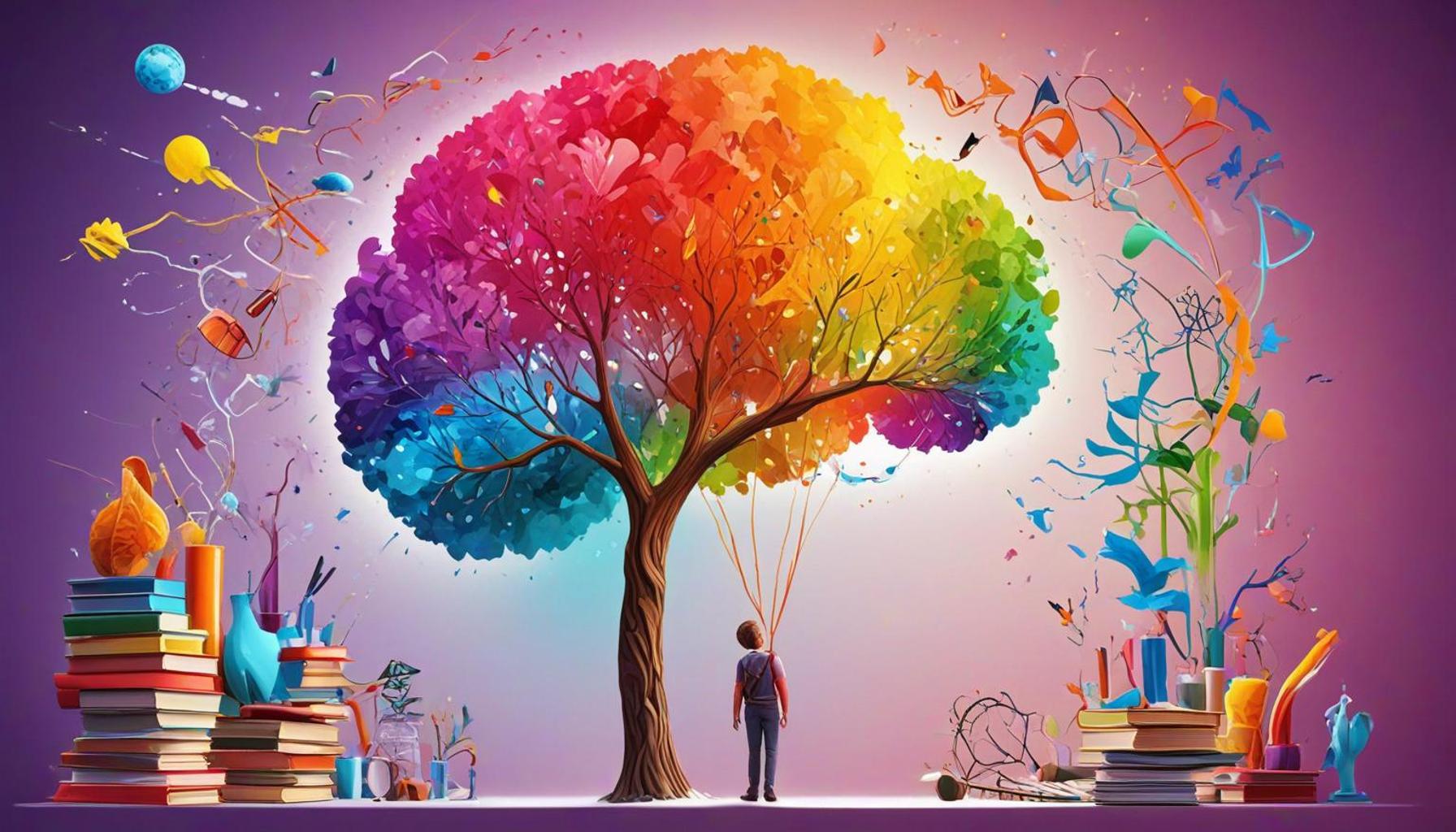
In a rapidly changing world, continuous learning has emerged as a vital ingredient for personal and professional success. With technology advancing and industries evolving, staying relevant demands more than just formal education. Embracing a growth mindset is essential; it allows individuals to adapt and thrive amidst challenges by viewing setbacks as opportunities for development rather than insurmountable obstacles.
Consider these key reasons why continuous learning is crucial:
- Adaptability: Cultivating new skills empowers individuals to adjust to market shifts. For instance, with Nigeria’s economy increasingly relying on technology and digital solutions, professionals who seek to enhance their digital literacy can pivot from traditional roles to emerging sectors like fintech or e-commerce. This adaptability is critical as industries face rapid transformations.
- Opportunities for Innovation: Learning fuels creativity, sparking innovative ideas that drive progress. Take the example of Nigerian entrepreneurs who have successfully launched tech startups that solve local problems, like health tech solutions that enhance healthcare delivery or agritech platforms that maximize agricultural output. Continuous learning about these technologies and market trends can place individuals at the forefront of innovation.
- Building Confidence: Overcoming learning challenges enhances self-esteem and resilience. Engaging in new learning experiences, such as participating in workshops or online courses, boosts an individual’s confidence. For instance, a young woman from Lagos who enrolls in a coding bootcamp can transition from a novice to a proficient programmer, which not only raises her self-assurance but also broadens job prospects in a tech-driven market.
In Nigeria, where the landscape of industries is shifting—from agriculture to tech—the need for ongoing education is evident. Many young professionals are embracing online courses and workshops to sharpen their skills. Companies like Andela and Decagon are facilitating this growth by providing tech training to youths, ensuring that they stay competitive in the workforce. This dedication to lifelong learning not only fosters individual growth but also enhances overall economic development.
As we delve deeper into this topic, we will explore the direct impact of continuous learning on cultivating a growth mindset. Understanding this relationship can empower you to take control of your learning journey and unlock your true potential. Moreover, by prioritizing continuous learning, individuals can significantly contribute to a vibrant economy, where innovation and adaptability become cornerstones for progress. In a rapidly evolving world, the journey of learning never truly ends; it only leads to new beginnings and opportunities waiting to be seized.
SEE ALSO: Click here to read another article
Transforming Challenges into Opportunities
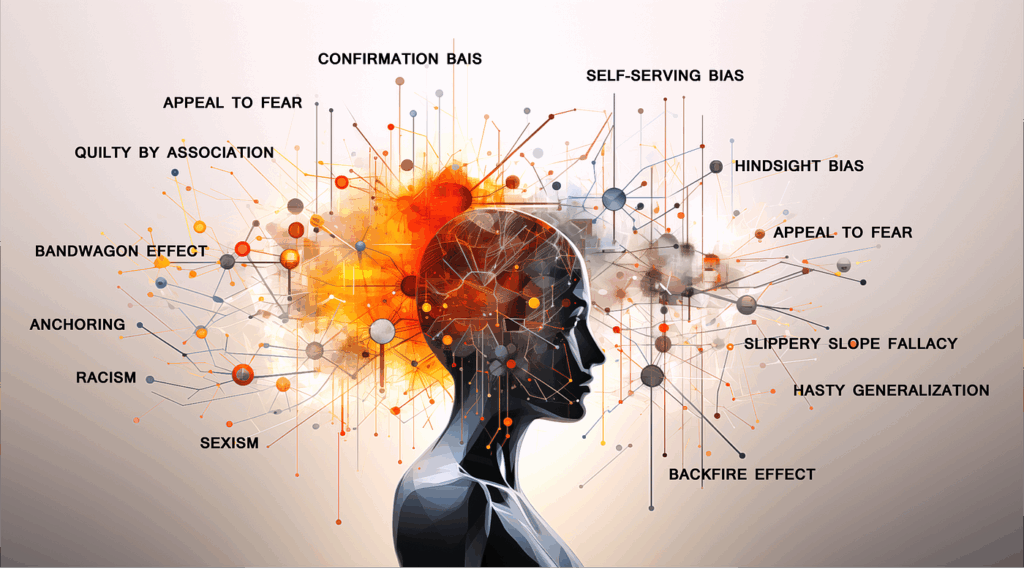
Continuous learning plays a pivotal role in developing a growth mindset, which fundamentally changes how individuals respond to challenges and failures. In a society where the desire for self-improvement has become paramount, embracing this perspective allows Nigerians to transform setbacks into stepping stones toward personal and professional success. For many, the fear of failure can be paralyzing, leading to inaction and missed opportunities. However, continuous learning fosters resilience, encouraging individuals to tackle challenges head-on and learn from their experiences.
At the core of a growth mindset lies the belief that abilities and intelligence can be cultivated through dedication and effort. This belief can be strengthened by engaging in lifelong learning. Below are several ways in which continuous learning contributes to the development of a growth mindset:
- Reframing Failure: Continuous learners often view failure as a critical part of the learning process instead of as an endpoint. When faced with setbacks, individuals who adopt this mindset analyze what went wrong, extract lessons from their experiences, and refine their approaches. This not only promotes personal development but also encourages perseverance.
- Enhancing Problem-Solving Skills: Continuous learning equips individuals with diverse tools and techniques to tackle problems effectively. For instance, a business owner in Nigeria who engages in workshops focused on strategic planning will better navigate the challenges posed by economic fluctuations. By developing advanced problem-solving skills, individuals can approach complex situations with confidence.
- Networking and Collaboration: The journey of continuous learning often leads individuals to connect with like-minded peers, mentors, and industry experts. These interactions foster a culture of sharing knowledge and support. A vibrant community of practitioners, such as those found in tech hubs and innovation centers across Nigeria, encourages collaboration and exposes individuals to different perspectives, further enriching their learning experiences.
- Setting Goals and Achieving Them: Continuous learning is an ongoing commitment to self-improvement that involves setting both short-term and long-term goals. By striving toward these goals, individuals experience a sense of accomplishment, reinforcing their belief in their abilities. A recent graduate pursuing online certifications in programming, for example, not only enhances their skill set but also gains confidence in their capacity to meet future challenges.
This focus on a growth mindset has crucial implications for Nigeria’s workforce. As more professionals engage in continuous learning initiatives, they not only improve their chances of career advancement but also contribute to the overall growth of the economy. By building a workforce that is resilient and adaptable, Nigeria can tap into the power of its human resources to innovate and thrive in an ever-changing global landscape.
In recognizing the profound impact of continuous learning in shaping a growth mindset, it becomes evident that investing in oneself is not just beneficial—it is essential. To thrive in an unpredictable world, individuals must embrace learning as a lifelong journey, unlocking doors to new opportunities and possibilities. The relationship between continuous learning and a growth mindset will be explored further as we examine practical strategies for incorporating learning into everyday life.
The Importance of Continuous Learning for Developing a Growth Mindset
As we delve deeper into the significance of continuous learning, it’s essential to recognize how it intertwines with nurturing a growth mindset. Embracing a philosophy of lifelong learning enables individuals to overcome challenges and inspires resilience, which is vital in today’s fast-paced world.
One of the most profound advantages of adopting continuous learning practices is the ability to adapt to change. In an era where technological advancements and industry shifts happen at a breakneck speed, the skills that once seemed sufficient may quickly become obsolete. Thus, being committed to ongoing education ensures that individuals remain relevant and competitive in their fields.
Moreover, continuous learning fosters a culture of innovation. When individuals are encouraged to explore new ideas and approaches, creativity flourishes. This not only enhances personal development but also contributes significantly to organizational success. Companies that prioritize continuous learning are often seen as more innovative and agile, able to respond to market demands more effectively.
Additionally, the practice of continuous learning builds confidence. As individuals acquire new knowledge and skills, they begin to realize that challenges are merely stepping stones rather than obstacles. This heightened sense of self-efficacy propels them toward more daring endeavors and fosters a greater willingness to take calculated risks.
Ultimately, the integration of continuous learning in one’s daily life not only cultivates a growth mindset but also propels individuals toward personal and professional fulfillment. The journey of learning is continuous and ever-evolving, and embracing it can unlock hidden potential that leads to remarkable achievements.
| Advantage | Description |
|---|---|
| Adaptability | Enables individuals to quickly adjust to changing environments and situations. |
| Innovation | Encourages the exploration of new ideas, leading to creative problem-solving. |
Through continuous learning, individuals not only uphold a growth mindset but also set themselves on a path of lifelong success and fulfillment, motivating them to embark on new learning journeys and share knowledge with others. This interconnectedness between learning and mindset ultimately reinforces our capacity to grow beyond our perceived limits.
RECOMMENDED: Check out this similar article
Building Skills for the Future
As industries across Nigeria evolve rapidly in response to technological advancements and global trends, the need for continuous learning becomes increasingly apparent. Staying relevant in one’s field requires a proactive approach to skill development and knowledge acquisition. In this context, adopting a growth mindset not only enables individuals to keep pace with changes but also positions them as leaders ready to seize opportunities.
One effective way to foster continuous learning is through embracing a culture of innovation. Educational institutions, corporate entities, and non-profit organizations are beginning to recognize the importance of embedding learning experiences into their frameworks. For instance, many Nigerian universities are now offering modular programs that allow students and professionals to choose specific skills or topics that align with industry needs, thus promoting a tailored learning approach. This flexibility makes it easier for individuals to engage in lifelong learning while balancing work and personal commitments.
Moreover, the rise of online platforms has democratized access to high-quality learning resources. Websites such as Coursera, Udemy, and LinkedIn Learning provide a plethora of courses in various fields, making it feasible for anyone to learn at their own pace. This accessibility encourages individuals from diverse backgrounds to acquire new skills, regardless of their socioeconomic status. A recent survey indicated that up to 70% of Nigerian professionals have engaged in online learning to enhance their employability. This trend not only emphasizes the importance of continuous learning but also reflects a collective shift towards personal accountability in career development.
Adaptability is another crucial attribute that continuous learning cultivates. In the face of unforeseen circumstances—such as the recent pandemic—workers who focus on learning new skills can pivot their careers effectively. For example, a traditional retailer may learn to navigate e-commerce platforms, ensuring business continuity in challenging times. This adaptability is essential, particularly in Nigeria’s dynamic market, where new business models and trends emerge regularly.
In addition to practical skill application, continuous learning also enhances an individual’s emotional intelligence, a vital component of the growth mindset. By engaging with diverse perspectives and challenging their own beliefs, learners develop empathy and better communication skills. This emotional competency serves individuals in all professional scenarios, from collaborative projects in tech hubs in Lagos to community-driven initiatives in rural areas. A team equipped with emotionally intelligent members can navigate conflicts more effectively, fostering a positive workplace culture centered around mutual growth.
Furthermore, mentorship plays a significant role in the cycle of continuous learning and growth mindset development. Engaging with mentors who encourage an attitude of curiosity can ignite passion in learners, inspiring them to explore new territories within their fields. Many successful Nigerians credit their growth to influential mentors who opened doors to opportunities and equipped them with invaluable insights. By participating in mentorship programs, both mentors and mentees can engage in a mutually beneficial learning experience that further bolsters a culture of continuous learning in the country.
By embedding these principles into everyday life, individuals in Nigeria can unlock their potential and harness continuous learning as a powerful tool to foster a growth mindset. The importance of nurturing such an approach cannot be overstated, as it lays the groundwork for a resilient workforce ready to tackle the complexities of the modern world.
YOU MAY ALSO LIKE: Read read another article
Conclusion
In a world characterized by rapid technological change and relentless market evolution, the significance of continuous learning in cultivating a growth mindset cannot be overstated. This journey of lifelong learning empowers individuals to adapt, innovate, and thrive in diverse environments, ultimately enhancing their professional and personal lives. By engaging with new ideas and challenging entrenched beliefs, individuals not only enrich their skill sets but also develop emotional intelligence that fosters better communication and collaboration.
Nigeria stands at the forefront of this educational revolution, with innovative programs and online platforms readily available to cater to the unique needs of its workforce. By investing in continuous learning, professionals are better equipped to navigate industry shifts and leverage opportunities that arise, making them invaluable assets in ever-changing landscapes. Moreover, the role of mentorship cannot be overlooked; it serves as a catalyst for curiosity and confidence, guiding learners toward uncharted territories in their respective fields.
As we look toward the future, embracing a culture that prioritizes continuous learning will be instrumental in building a resilient workforce capable of tackling both present challenges and future uncertainties. This commitment to a growth mindset will drive personal fulfillment and provide Nigeria with the innovative leaders necessary to propel the nation forward in a competitive global economy. Thus, nurturing a mindset of perpetual learning is not merely an option but a vital necessity for success in today’s intricate and interconnected world.
Related posts:
The Impact of Experiential Learning on Developing a Growth Mindset in Nigeria
Continuous Learning and Adaptation to Changes in the Nigerian Labor Market
The Importance of Continuous Learning in Developing a Growth Mindset
The Importance of Networking and Deep Communities in Continuous Learning and Personal Growth
The Importance of Continuous Learning in Building a Growth Mindset
The Role of Formal and Informal Education in Fostering Continuous Learning and a Growth Mindset

Linda Carter is a writer and self-discipline expert specializing in personal growth, habit building, and goal achievement. With extensive experience helping individuals develop focus, consistency, and resilience, Linda shares her knowledge on our platform. Her goal is to empower readers with practical advice and strategies to cultivate self-discipline, make intentional choices, and achieve success in both their personal and professional lives.