Resilience in Agriculture: Growth Mindset Techniques to Adapt to Climate Change in Nigeria
Introduction to Challenges in Agriculture
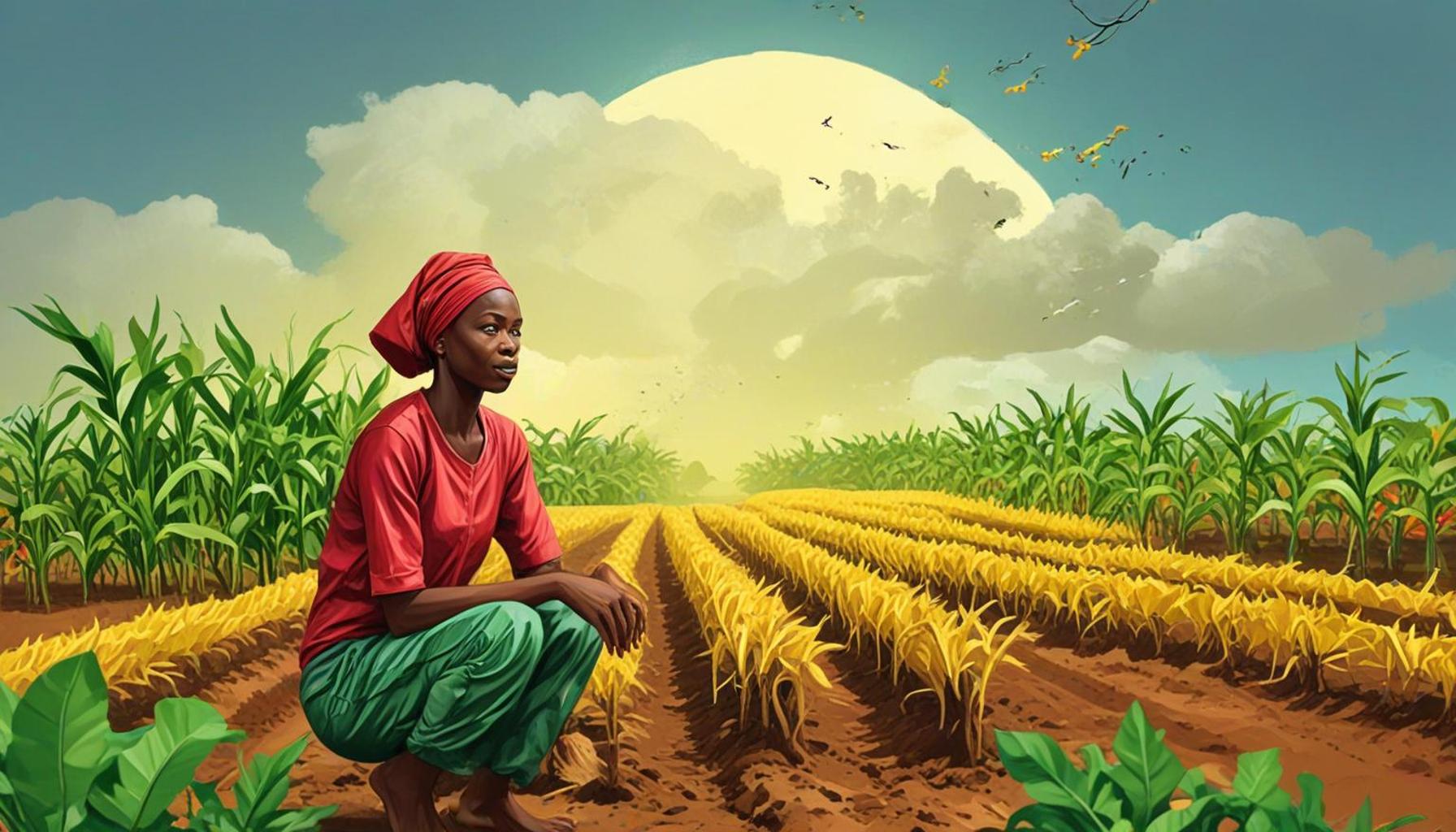
Nigeria’s agricultural sector is at a crossroads, grappling with unprecedented challenges brought on by climate change. Farmers across the nation are increasingly facing altered weather patterns, which lead to unpredictable rainfall and surging temperatures. The pressing nature of these changes necessitates immediate action and innovative responses to ensure food security and sustainable farming practices.
The Importance of a Growth Mindset
To thrive in this challenging environment, embracing a growth mindset is essential. This mindset represents a paradigm shift that encourages farmers to view challenges as fertile grounds for innovation rather than insurmountable obstacles. Here are key components that define a growth mindset in agriculture:
- Continuous Learning: The agricultural landscape is rapidly evolving, and farmers must remain open to new techniques, technologies, and research. For instance, adopting precision agriculture technologies enables farmers to optimize resource use, thereby increasing productivity while minimizing environmental impact.
- Adaptability: The ability to adapt is crucial. Farmers who can implement flexible methods, such as switching crop varieties or altering planting schedules in response to changing climatic conditions, are more likely to maintain their yields. For example, the introduction of drought-resistant crop varieties can help secure harvests during periods of reduced rainfall.
- Community Support: There is strength in numbers. Collaborative efforts among farmers can enhance knowledge sharing, resource pooling, and even provide access to larger markets. Organizations like the Nigerian Agricultural Cooperative and Rural Development Bank foster this community spirit, empowering local farmers through training and resource distribution.
Successful farming in Nigeria today demands not just hard work but a deep-rooted resilience capable of withstanding climatic adversities. Climate-smart agricultural practices, such as crop diversification and sustainable irrigation methods, play a pivotal role in bolstering this resilience. For instance, farmers can benefit immensely from techniques like rainwater harvesting, which helps capture and store water during wet seasons for use during dry spells.
Transforming the Future of Agriculture
As we delve deeper into the various growth mindset techniques, it becomes clear that empowering farmers with the right tools and knowledge can reshape the future of agriculture in Nigeria. Access to training programs that educate farmers on the latest sustainable farming practices is vital. Additionally, investing in technologies such as mobile apps for weather forecasting and pest management can equip farmers to make informed decisions that enhance their productivity and profitability.
In conclusion, addressing the challenges posed by climate change demands not just immediate action but also long-term strategic thinking among Nigerian farmers. By fostering a growth mindset and embracing innovative farming practices, the agricultural sector can adapt and thrive, ensuring a sustainable and food-secure future for all. As awareness and access to these transformative strategies increase, the potential for a more resilient agricultural landscape becomes not just a dream but an attainable reality.
YOU MAY ALSO LIKE: Read read another article
Innovative Approaches to Resilience in Agriculture
As the reality of climate change continues to reshape agricultural practices, adopting a resilient framework has never been more critical for Nigerian farmers. Traditional methods may no longer suffice in a landscape marked by erratic rainfall patterns and heightened temperatures. Therefore, farmers must proactively explore innovative approaches that are grounded in the principles of a growth mindset.
One of the primary techniques for building resilience is the implementation of climate-smart agricultural practices. These practices not only aim to increase productivity but also minimize the environmental impacts of farming. Below are some effective strategies that highlight adaptability and sustainability for farmers in Nigeria:
- Agroforestry: Integrating trees with crops can significantly improve soil health, enhance biodiversity, and promote resilience to climate stress. For instance, the combination of cashew trees with groundnuts has proven beneficial in regions like Ogun State, where soil quality enhancement translates to better crop yields.
- Crop Diversification: Cultivating a variety of crops reduces the risk of total failure due to climatic fluctuations. This practice not only helps secure income during adverse conditions but also ensures food security at the community level. For example, rotating maize with legumes, such as soybeans or cowpeas, can improve soil fertility while providing farmers with alternative sources of income.
- Integrated Pest Management (IPM): This technique involves using biological control measures and traditional practices to manage pests sustainably. By employing indigenous knowledge alongside modern techniques, farmers can minimize chemical usage and enhance crop resilience against pest infestations.
Furthermore, a resilient farming approach inherently encourages farmers to become more data-driven in their decision-making. Accessing timely information about weather forecasts, market prices, and soil health can significantly influence farming success. Technologies such as satellite farming and mobile applications provide critical insights that empower farmers with the knowledge necessary to adapt their practices effectively.
Moreover, training and capacity building are essential components in fostering a growth mindset. Local agricultural extension services and organizations like the Nigerian Association of Agricultural Professionals in Europe (NAAAPE) can play pivotal roles in mentoring farmers on contemporary practices that align with climate challenges. These initiatives not only enhance skills but also build a resilient community that can share insights and experiences.
By embracing innovative techniques and engaging with supportive networks, Nigerian farmers can navigate the complexities of climate change more effectively. The focus must remain on equipping them with the knowledge and technologies to thrive, rather than merely survive, in an ever-changing agricultural landscape.
| Key Techniques | Impact on Nigerian Agriculture |
|---|---|
| Adaptive Learning | Encourages farmers to adjust practices based on climate patterns, enhancing crop yields and sustainability. |
| Resilient Crop Selection | Prioritizes drought-resistant varieties, mitigating risks associated with erratic rainfall and improving food security. |
| Collaborative Network Building | Fosters communal strategies among farmers, sharing resources and knowledge to tackle climate challenges collectively. |
| Integrated Pest Management | Utilizes eco-friendly approaches to reduce pest impact, thereby safeguarding crops in a changing ecosystem. |
As Nigeria faces increasing climate variability, these growth mindset techniques are essential. Adaptive learning enables farmers to remain responsive to new information regarding climate change. Through understanding evolving weather patterns, they can devise innovative strategies tailored to their specific environments.Moreover, the selection of resilient crops not only safeguards against potential threats but also promotes long-term agricultural viability. This includes the cultivation of local varieties that withstand adverse conditions, thus enhancing the overall resilience of Nigeria’s agricultural landscape.The power of collaboration among farmers cannot be overstated. By building networks, they can share valuable insights and resources, effectively pooling their struggles and solutions. These community-driven efforts serve to bolster both individual and collective resilience.Implementing integrated pest management allows farmers to address pest issues proactively, thus securing their crops against the unpredictable consequences of climate change. These techniques not only highlight the importance of a growth mindset but also pave the way for a more sustainable agricultural future in Nigeria, ready for the challenges that lie ahead.
YOU MAY ALSO LIKE: Read read another article
Embracing Technology and Community Engagement
A key element in enhancing resilience within Nigerian agriculture involves leveraging modern technology. The integration of tech solutions can transform farming practices and pave pathways for increased productivity amid climate disruptions. Farmers equipped with tools such as drones for aerial imagery and soil sensors for precise nutrient management can make informed decisions that positively impact their yields.
For instance, the use of precision agriculture technologies not only aids farmers in understanding the spatial variability of soil fertility but also optimizes input usage such as fertilizers and water. Several pilot projects in states like Katsina have shown that adopting such technologies has resulted in yield increases of up to 30%, showcasing a profound link between innovation and crop resilience.
Moreover, the power of mobile technology cannot be overstated. In Nigeria, numerous applications are available, such as FarmCrowdy and Releaf, which provide farmers with real-time information about weather patterns, pest outbreaks, and market prices. Investing in mobile platforms can empower farmers with essential data, allowing them to make timely, informed choices that bolster agricultural resilience against climate change impacts.
Community Collaborations and Knowledge Sharing
The resilience of farmers does not rely solely on individual efforts, but also on the strength of their communities. Collaborative initiatives foster knowledge sharing and enhance collective responsiveness to the challenges posed by climate variability. Community-based organizations, such as farmer cooperatives, can serve as platforms for engaging in group learning and pooling resources.
For example, in areas like Enugu, farmers have formed cooperatives to share both agricultural equipment and information related to best practices and adaptive strategies. Through shared experiences, members can learn faster about successful methodologies such as intercropping and soil conservation techniques. This collaboration not only promotes resilience but also strengthens community ties, providing a support network that becomes crucial during adverse weather events.
Furthermore, engaging with local universities and research institutions can amplify farmers’ knowledge and practices. Research initiatives tailored to local conditions can generate practical solutions for farmers facing specific climate challenges. Take, for example, the collaboration between Nigerian universities and farmers in developing drought-resistant crop varieties. Such partnerships can result in the distribution of seeds that are better suited to the variable climate conditions present in Nigeria.
Financial Instruments and Insurance Schemes
Economic resilience is also a vital aspect of adaptive capacity in agriculture. Access to financial resources allows farmers to invest in innovative practices and technologies. One noteworthy development is the introduction of crop insurance schemes designed to protect farmers against potential losses caused by climate-related disasters such as droughts or floods. Institutions such as the Nigeria Incentive-Based Risk Sharing System for Agricultural Lending (NIRSAL) have made strides in improving farmers’ access to credit, enabling them to enhance their resilience.
In an era marked by uncertainty, insurance can serve as a safety net. It encourages farmers to take calculated risks with their practices and experiment with new technologies without the fear of total financial loss. The additional support of microfinance organizations can further mitigate risks, providing low-interest loans that support investment in resilient agricultural practices.
Nurturing a resilient agricultural landscape in Nigeria requires proactive adaptations, innovative practices, community engagement, and financial safeguards. By embracing these multifaceted strategies, farmers can better navigate the uncertainties brought about by climate change, ultimately fostering a more sustainable agricultural future.
SEE ALSO: Click here to read another article
Conclusion
In conclusion, the challenge of climate change presents both a pressing risk and a unique opportunity for the agricultural sector in Nigeria. The adoption of a growth mindset—characterized by a willingness to learn, adapt, and innovate—becomes critical in this context. By implementing technology-driven solutions, farmers can overcome adversities posed by erratic weather patterns. The integration of tools such as drones and soil sensors not only enhances decision-making but heralds a new era of agricultural efficiency and productivity that is essential for food security.
Moreover, the importance of community engagement and collaboration cannot be overstated. As farmers come together to share knowledge and resources through cooperatives, they create a network of support that is vital for overcoming climate-related challenges. This collective resilience is further strengthened through partnerships with local research institutions, paving the way for innovative practices tailored to the unique agricultural landscape of Nigeria.
Finally, addressing financial barriers through the establishment of insurance schemes and access to credit is paramount. These financial instruments can provide farmers with the safety net they need to experiment with new practices without fear of insurmountable losses. By investing in resilience-building strategies, Nigeria’s farmers are not only shaping a more sustainable agricultural future but also ensuring that they can thrive in the face of unpredictability.
As Nigeria moves forward, it is imperative to continue exploring these multifaceted approaches. The road to resilience in agriculture is indeed paved with challenges, but equipped with the right mindset and tools, Nigerian farmers can lead the way toward a more secure and sustainable agricultural environment. Embracing change is not just a necessity; it is an opportunity for growth, innovation, and lasting impact.
Related posts:
Emotional Resilience: Growth Mindset Techniques for Facing Personal and Social Crises in Nigeria
Resilience Strategies for Young Entrepreneurs Cultivating a Growth Mindset
Family Resilience: How Growth Mindset Techniques Can Strengthen Bonds in Difficult Times
The Resilience of Youth: Growth Mindset Techniques to Foster Self-Confidence and Empathy in Nigeria
The Importance of Resilience in Developing a Growth Mindset in Young Nigerians
Resilience in the Arts: Exploring Growth Mindset Techniques to Create and Inspire in Nigeria

Linda Carter is a writer and self-discipline expert specializing in personal growth, habit building, and goal achievement. With extensive experience helping individuals develop focus, consistency, and resilience, Linda shares her knowledge on our platform. Her goal is to empower readers with practical advice and strategies to cultivate self-discipline, make intentional choices, and achieve success in both their personal and professional lives.