Positive Reinforcement: An Effective Tool for Parents in Encouraging Learning at Home

The Impact of Positive Reinforcement in Child Development
In an ever-evolving world marked by rapid technological advancements and intense academic pressures, it has become vital to cultivate an enduring enthusiasm for learning in children. One particularly effective strategy gaining traction in Nigerian households is positive reinforcement. This powerful approach not only enhances children’s self-confidence but also motivates them to engage in desirable behaviors, both academically and socially.
Implementing positive reinforcement effectively can truly revolutionize the educational experiences of children. Here are some key features to consider:
- Encouragement and Praise: Simple affirmations such as “You did a great job!” or “I’m so proud of your efforts!” can significantly elevate a child’s self-esteem. This method creates a positive atmosphere where children feel valued and understood, inspiring them to take on new challenges without fear of failure.
- Reward Systems: Establishing a system of small rewards—such as stickers, extra playtime, or a special treat—for completing tasks or reaching goals can serve as a powerful motivator. For instance, parents might create a chart where children can earn points towards a favorite activity or privilege for every book they read or homework assignment they complete.
- Celebrating Effort: Recognizing hard work even when the results are not perfect promotes resilience among children. In the Nigerian context, where academic success can often be emphasized at the expense of effort, acknowledging persistence teaches children that striving towards improvement is just as important as achieving high marks.
Numerous studies confirm that individuals who receive recognition for their efforts tend to engage more deeply with their learning processes. In Nigeria, where educational disparities can pose significant challenges, utilizing positive reinforcement can cultivate a supportive environment that fosters intellectual and emotional growth.
This article will delve into practical strategies and real-life examples illustrating how Nigerian parents can exploit the power of positive reinforcement to not only elevate their child’s educational experience but also strengthen family ties. From storytelling traditions in Nigerian culture that emphasize moral lessons, to community events that highlight collective achievements, there are countless ways to integrate this approach into everyday life. Are you ready to explore how you can unlock your child’s true potential?
LEARN MORE: This related article may interest you
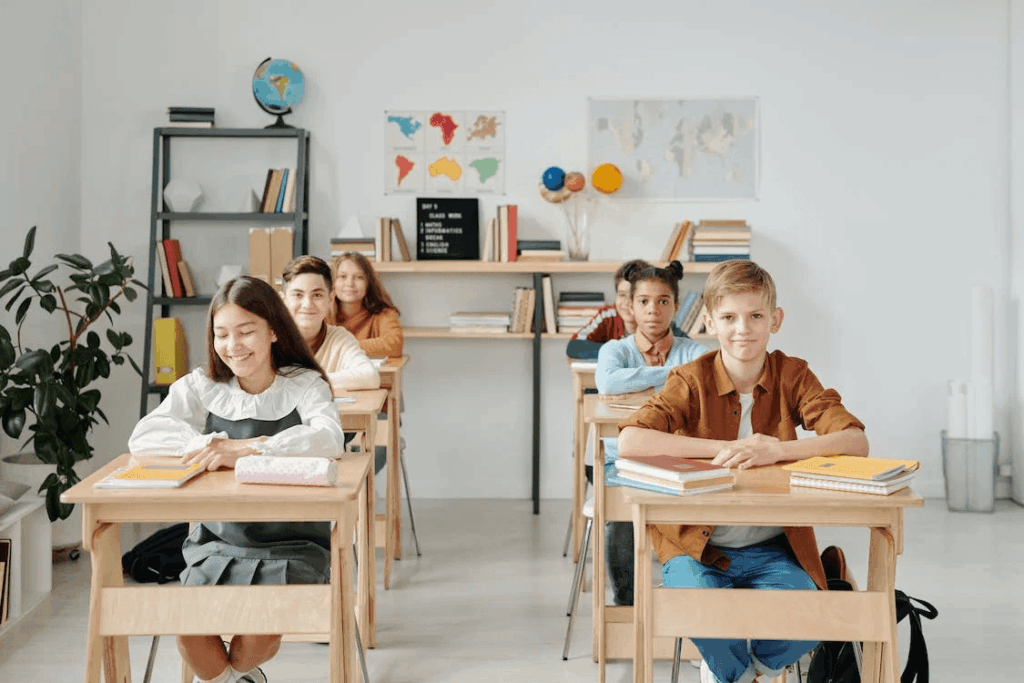
Understanding the Influence of Positive Reinforcement on Child Development
Parents often find themselves at a crossroads when it comes to fostering a love for learning in their children. A crucial element in this journey is the strategy of positive reinforcement, which focuses on acknowledging and rewarding desirable behaviors rather than merely correcting mistakes and failures. This approach not only nurtures a child’s intellectual curiosity but also shapes their emotional development, resulting in a well-rounded and confident individual. Within the context of Nigerian homes, where cultural traditions blend with contemporary educational challenges, the application of positive reinforcement can significantly enhance a child’s academic experience.
Transforming Learning with Positive Strategies
Implementing positive reinforcement can fundamentally change how children perceive learning tasks. By turning everyday activities into enjoyable learning experiences, parents can motivate their children to engage more actively and positively in their education. Here are several strategies that can effectively foster such an environment:
- Be Specific with Praise: Generic praise can often fall flat, failing to communicate exactly what was commendable about the child’s actions. For instance, instead of merely stating, “Good job!”, a more specific comment like, “I was impressed when you explained your science project so clearly!” gives children a concrete example of what they did well. This specificity not only enhances their self-esteem but also sets a benchmark for future efforts.
- Incorporate Cultural Elements: Leveraging Nigeria’s rich storytelling tradition can make positive reinforcement more relatable. Parents can share folktales that mirror their children’s recent achievements, illustrating values such as perseverance or creativity. For instance, a story about Tortoise and the cleverness of his actions in overcoming obstacles can serve to reinforce a child’s efforts in completing a difficult school project.
- Create a Learning Routine: Establishing structured times for learning activities creates a predictable environment. For example, setting aside a specific time after dinner for reading or homework can help children anticipate and prepare for learning. Whenever they adhere to this schedule, acknowledging these efforts with praise or rewards creates positive associations with learning.
- Use Visual Reminders: Visual representations of accomplishments can significantly influence a child’s motivation. Using colorful charts or stickers to track progress reinforces achievement. For example, children can earn stars for completing homework on time, visually embodying their success and fostering a sense of ownership over their academic responsibilities.
Impacting Educational Outcomes Through Affirmation
Current research consistently highlights that positive reinforcement not only enhances children’s learning experiences but also increases their overall engagement in educational activities. In Nigeria, where many face challenges like overcrowded classrooms and resource limitations, affirming a child’s effort becomes critical. Such affirmations boost self-esteem and foster a strong sense of community and belonging, essential components for healthy development.
Moreover, an environment filled with encouragement strengthens family ties. By participating together in celebrating academic milestones—be it small wins or major accomplishments—families can cultivate an atmosphere of support and love that transcends traditional educational approaches. These everyday victories, when acknowledged, can serve as stepping stones towards greater achievements, ultimately unlocking a child’s potential and encouraging them to thrive not just in school, but in all aspects of their lives.
In summary, the practical application of positive reinforcement in Nigerian homes can transform not only academic pursuits but also the very fabric of family interactions, creating a nurturing space where children can explore, learn, and grow into confident individuals ready to tackle the world.
Exploring the Benefits of Positive Reinforcement at Home
When it comes to fostering a learning environment at home, positive reinforcement stands out as a pivotal strategy. By providing children with recognition and rewards for their achievements and good behavior, parents can create a nurturing atmosphere that encourages continuous learning and development. This technique can take many forms, from verbal praise to tangible rewards, and its effectiveness is rooted in the psychological principle that behavior that is rewarded is more likely to be repeated.Parents utilizing this approach often find that it not only boosts their child’s self-esteem but also helps to cultivate a love for learning. Children who receive consistent positive feedback tend to engage more actively in educational activities, as they feel supported and motivated. For example, when a child successfully completes their homework and receives praise or a small reward, they are likely to associate studying with positive feelings, thereby enhancing their willingness to learn in the future.Moreover, positive reinforcement can also strengthen the parent-child relationship. By celebrating small victories together, parents can build trust and open lines of communication. This emotional support is crucial, as it encourages children to discuss their struggles and seek help when needed, ultimately fostering a resilient mindset critical for academic success.To further illustrate the advantages of this technique, we can look at various scenarios where parents can implement positive reinforcement effectively in their daily interactions with their children. For instance, appreciating their efforts during study sessions or rewarding them with extra playtime when they demonstrate diligence towards their studies can establish a positive feedback loop that promotes a favorable learning environment.As you delve deeper into the dynamics of positive reinforcement, exploring its various applications and impact on childhood development will unveil numerous strategies and insights for fostering a love for learning in children.
| Category | Description |
|---|---|
| Improved Academic Performance | Children motivated by rewards often achieve better grades. |
| Increased Confidence | Praising efforts builds self-esteem, making children more willing to face challenges. |
| Strengthened Relationships | Celebrating success together enhances trust and communication. |
Each of these aspects reinforces the idea that positive reinforcement is not just beneficial for immediate learning; it’s a key tool in shaping confident and resilient individuals ready to tackle their educational journeys.
RECOMMENDED: Check out this similar article
Building Resilience and Independence Through Positive Reinforcement
One of the remarkable benefits of employing positive reinforcement is its capacity to help children develop resilience and independence. In the face of challenges that are inevitable in the learning process, kids equipped with a strong foundation of affirmations can tackle obstacles with confidence. Rather than feeling defeated by setbacks, children learn to view challenges as opportunities for growth. This shift in mindset is transformational, especially within the context of Nigeria’s increasingly competitive educational environment.
Encouraging Self-Directed Learning
Parents can leverage positive reinforcement to instill a sense of accountability in their children. Whenever a child takes the initiative to learn something new—be it conducting a science experiment, painting a picture, or even questioning a historical event—parents should seize the moment to commend their curiosity. A simple acknowledgment like, “I love how you took the time to explore that topic on your own!” propels a child toward becoming a self-directed learner. This quality is invaluable, particularly in Nigeria, where the independence to seek out knowledge can lead to significant academic achievements and personal growth.
Furthermore, creating a space where children can make choices about their learning enhances their confidence. For instance, allowing a child to select a book from the market or decide whether to work on a math puzzle or a writing assignment provides them with a sense of ownership over their education. When positive reinforcement accompanies these decisions, it fosters the idea that their opinions and efforts matter, further developing their belief in their abilities.
Strengthening Relationships with Positive Communication
Effective communication is at the heart of fostering a nurturing environment. When parents incorporate positive reinforcement in their communication style, not only does it bolster a child’s learning, but it also strengthens the parent-child relationship. Acknowledging a child’s efforts creates bonding moments that can transform the interactions into playful and meaningful exchanges.
For example, consider a parent who provides feedback during homework time. Instead of focusing solely on what needs to be corrected, they can start with, “I really admire how you set up your math problem—you’re really thinking through it! Let’s tackle the next part together.” This approach cultivates a collaborative spirit, making learning a shared endeavor rather than a chore. In Nigerian homes, where familial ties are fundamental, this communication style not only reinforces learning achievements but instills values of teamwork and support from a young age.
Recognizing Progress Through Momentous Rewards
To further enhance motivation, parents can implement a reward system that acknowledges academic and behavioral milestones. Celebrating small victories, like completing a week’s worth of homework, can be as simple as an ice cream outing or a family game night. Such rewards not only affirm the child’s efforts but also create lasting memories that associate learning with positive experiences. A study from a local educational institute discovered that such reward systems have significantly improved academic performance among primary school students in urban areas across Nigeria, highlighting the efficacy of thoughtful reinforcement strategies.
Additionally, the use of community and cultural events to celebrate learning can have profound effects. For instance, organizing a small communal gathering where children present what they have learned over a certain period combines learning and social affirmation. It strengthens community ties while also instilling pride and a sense of achievement in young learners.
Incorporating strategies that champion positive reinforcement not only enhances a child’s academic experience but fosters emotional and social intelligence. These combined attributes are essential for thriving both in school and in life. With the intentional use of recognition and reward, parents can nurture a generation of resilient learners prepared to navigate the complexities of future challenges.
ADDITIONAL INSIGHTS: Expand your understanding here
Conclusion: The Transformative Power of Positive Reinforcement
In summary, positive reinforcement emerges as a pivotal strategy for parents aiming to create an enriching learning environment at home. The insights we explored illustrate that by celebrating a child’s efforts, fostering independence, and instilling resilience, parents not only enhance their child’s academic performance but also nurture key life skills necessary for thriving in a dynamic world. As Nigeria’s educational landscape continues to evolve, it becomes increasingly important to cultivate self-directed learners who embrace challenges with a growth mindset.
The integration of positive reinforcement techniques—whether through encouraging communication, recognizing accomplishments with momentous rewards, or allowing children choice in their learning experiences—profoundly impacts the parent-child relationship. Such interactions not only help solidify trust and connection but also promote teamwork and collaboration—values deeply rooted in Nigerian culture.
As parents leverage these strategies, they play a crucial role in shaping resilient and independent learners. Research supporting the efficacy of positive reinforcement further emphasizes its long-term benefits, highlighting increased academic achievement and emotional intelligence. Therefore, as you embark on this journey of encouraging learning at home, remember that every word of praise, every moment of acknowledgment, and every small celebration can significantly illuminate a child’s path to success. This transformative approach not only enriches their educational experiences but also prepares them to navigate and excel in life’s myriad challenges.
Related posts:
The Importance of Positive Reinforcement in Fostering a Growth Mindset in Children
The Influence of Positive Reinforcement on the Development of a Growth Mindset in Children
Positive Reinforcement and the Promotion of Social Skills in Children with Special Needs
The Impact of Positive Reinforcement on Overcoming Personal Challenges and Skill Development
Positive Reinforcement Strategies for Professionals: How to Cultivate a Growth Mindset in the Workpl...
Positive Reinforcement in Early Childhood Education: Building the Foundations for a Growth Mindset

Linda Carter is a writer and self-discipline expert specializing in personal growth, habit building, and goal achievement. With extensive experience helping individuals develop focus, consistency, and resilience, Linda shares her knowledge on our platform. Her goal is to empower readers with practical advice and strategies to cultivate self-discipline, make intentional choices, and achieve success in both their personal and professional lives.