How to Cultivate Resilience Through Growth Mindset Techniques in Vulnerable Communities
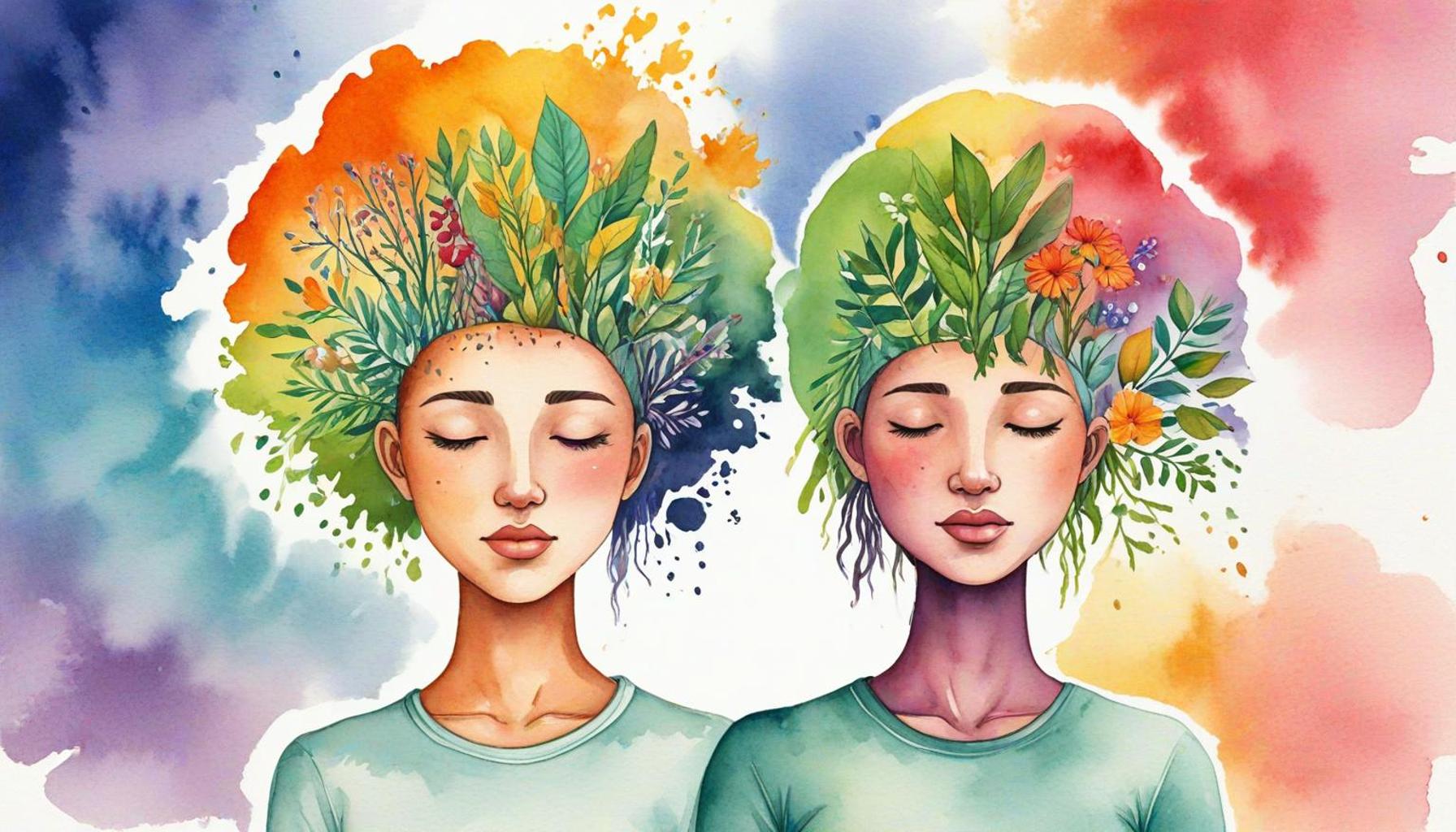
The Importance of Building Resilience and a Growth Mindset
In an environment where economic fluctuations and social instability are commonplace, the ability to bounce back from hardship is not just beneficial—it is essential. In Nigeria, communities often grapple with challenges such as poverty, inadequate healthcare, and limited educational opportunities. However, developing resilience through growth mindset techniques can equip these vulnerable groups with the tools they need to rise above their circumstances. This approach not only enhances individual capabilities but can also foster collective empowerment within communities.
The Transformative Nature of a Growth Mindset
A growth mindset, a concept popularized by psychologist Carol Dweck, is built around the belief that intelligence and abilities can be cultivated through perseverance and effort. This positive framework can radically alter the way individuals confront obstacles. For instance, when young students in Nigerian rural areas face academic challenges, those with a growth mindset are more likely to view their struggles as opportunities for development rather than insurmountable barriers.
The benefits of adopting a growth mindset are profound:
- Enhanced problem-solving skills: Individuals learn to approach difficulties with curiosity and creativity, leading to innovative solutions. For example, community groups can address local agricultural issues by experimenting with new farming techniques rather than succumbing to despair over poor harvests.
- Increased motivation to learn: Recognizing that effort leads to improvement encourages ongoing education, whether through formal schooling or community-based workshops. Local initiatives that focus on skills training can help individuals acquire new abilities that enhance their employability.
- Stronger emotional resilience: With resilience, individuals better manage stress and setbacks, contributing to overall mental health. Programs that incorporate community storytelling can also reinforce this emotional resilience, as shared experiences foster understanding and support.
Cultivating Resilience in Nigerian Communities
By embedding a growth mindset within the fabric of their communities, Nigerians can nurture key traits that bolster resilience:
- Adaptability: Encouraging individuals to embrace change can lead to innovative solutions, especially in rapidly evolving economic landscapes. For instance, small business owners can pivot their strategies to align with fluctuating market demands, thereby ensuring sustainability.
- Resourcefulness: In the face of scarcity, communities become adept at maximizing available resources. A notable example includes the practice of reusing and repurposing materials commonly seen in local crafts or construction projects, showcasing ingenuity under constraint.
- Collective support: Establishing networks that promote shared experiences strengthens community bonds. Initiatives like mentorship programs or cooperative societies empower individuals to learn from one another, creating a safer space for growth and collaboration.
As Nigeria navigates its socio-economic landscape, implementing these principles can greatly enhance community well-being. By exploring and practicing growth mindset techniques, people can overcome obstacles, turning challenges into pathways for success and resilience. This journey towards empowerment not only fosters personal growth but also ignites a collective spirit, paving the way for a brighter, more hopeful future.
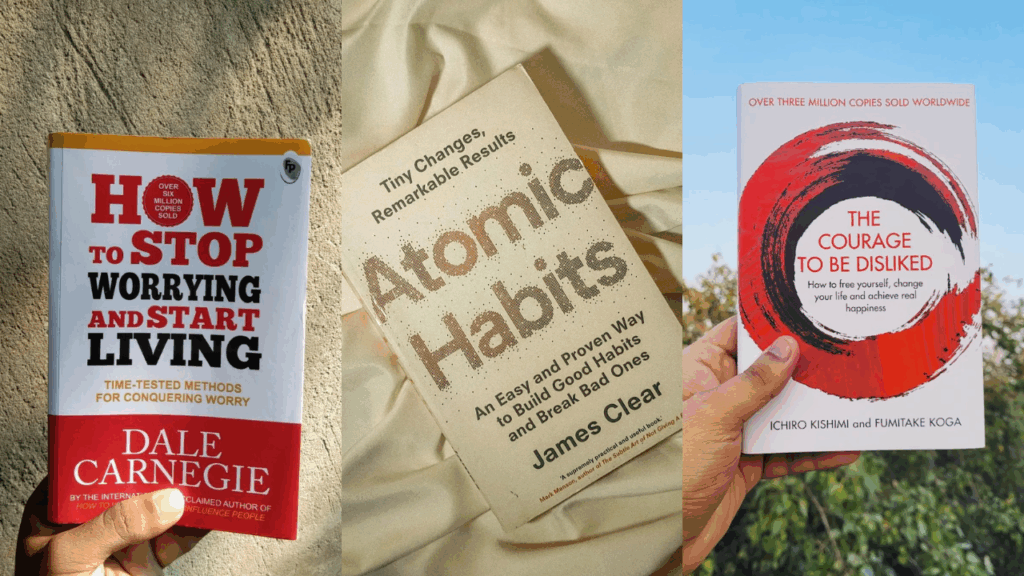
RECOMMENDED: Check out this similar article
Empowering Communities Through Education and Collaboration
To effectively cultivate resilience in vulnerable communities, especially in Nigeria, it is crucial to prioritize education and collaboration as foundational pillars. A commitment to fostering a growth mindset can transform how individuals respond to adversity, ultimately leading to stronger, more sustainable communities. Educational initiatives must be tailored to the unique challenges faced by these communities, ensuring that the learning processes resonate with local values and realities.
Accessible Educational Programs
Education serves as a powerful tool for cultivating resilience. By designing and implementing accessible educational programs, communities can instill a growth mindset in participants, which encourages them to view failures as stepping stones to success. For example, training sessions focused on agronomy tailored to local farming practices can empower farmers to improve their yields. Participants not only learn new techniques but also develop the ability to adapt and innovate in response to changing environmental conditions.
- Skills Workshops: Hands-on workshops that teach essential skills such as critical thinking, financial literacy, and conflict resolution can be particularly effective. These practical sessions equip individuals with the tools they need to navigate day-to-day challenges, thereby bolstering their resilience.
- Technology Integration: As digital literacy becomes increasingly important, communities that introduce technology in education can greatly enhance their members’ adaptability. Access to online learning platforms can bridge knowledge gaps and facilitate exposure to global best practices. Thus, individuals are empowered to bring innovative solutions back to their communities.
- Community-led Initiatives: Encouraging community-led initiatives can foster a sense of ownership and collective responsibility. When individuals contribute to their communal problem-solving endeavors, they build not only resilience but also a deep connection to their community’s prosperity.
The Role of Mentorship and Peer Support
Another essential component of cultivating resilience is the establishment of mentorship and peer support networks. These networks enable experienced individuals to guide and support those facing adversity, creating an environment rich in shared learning and mutual encouragement. For example, seasoned entrepreneurs can mentor young business owners, helping them navigate the complexities of launching and running a successful enterprise. Such mentorship programs encourage risk-taking and experimentation, reinforcing the growth mindset concept that failures can lead to eventual success.
Moreover, when community members share their stories of struggle and triumph, they foster a supportive atmosphere where resilience becomes a valued trait. Storytelling not only enhances emotional bonds among individuals but also reinforces the idea that challenges can be overcome through effort and determination.
Incorporating these elements—education, collaboration, mentorship, and storytelling—creates a robust framework for cultivating resilience through growth mindset techniques. As Nigeria continues to face socio-economic hurdles, empowering communities through these practices can spark transformative change, enabling them to thrive in the face of adversity.
| Category | Description |
|---|---|
| Community Engagement | Involvement of community members in resilience-building efforts enhances commitment. |
| Empowerment Programs | Workshops and training that focus on growth mindset expand skills and self-efficacy. |
| Mentorship Opportunities | Connecting residents with mentors encourages personal growth and resilience. |
| Coping Strategies | Teaching coping mechanisms helps communities manage stress and adversity. |
The growth mindset, articulated by psychologist Carol Dweck, posits that individuals can shape their abilities through effort and learning. This approach is crucial in vulnerable communities where challenges can often seem insurmountable.To further enhance resilience, community engagement is essential. Programs that allow local members to participate in decision-making foster a sense of belonging and responsibility. Strong community ties can provide support networks that are invaluable during difficult times.Moreover, empowerment programs focusing on developing a growth mindset through workshops are vital. These initiatives not only teach practical skills but also instill a belief in the potential for personal transformation. As individuals gain confidence, they become more adept at navigating life’s challenges.Mentorship opportunities serve as another critical element in promoting resilience. Connecting individuals with mentors who exemplify growth mindset principles can inspire and guide them through trials, reinforcing the notion that challenges are merely stepping stones to success.Finally, teaching effective coping strategies equips community members to manage stress effectively. By cultivating a toolbox of techniques such as mindfulness and problem-solving, individuals learn to approach adversity proactively.Together, these strategies form a tapestry of support that enables vulnerable communities to cultivate resilience through growth mindset techniques.
ADDITIONAL INSIGHTS: Expand your understanding here
Fostering Community Resilience Through Personal Development and Accessibility
In addition to education and mentorship, promoting personal development and ensuring accessibility to resources play pivotal roles in cultivating resilience within vulnerable communities. In Nigeria, where socio-economic disparities often hinder personal progress, enhancing individuals’ skills and providing them with essential tools is critical for fostering a growth mindset that thrives on innovation and adaptability.
Holistic Personal Development Programs
Integrating holistic personal development programs tailored to address mental, emotional, and physical well-being can empower individuals to face life’s challenges more effectively. These programs should focus on enhancing self-awareness, emotional intelligence, and stress management. Community centers can host workshops led by professionals in psychology and health, where residents learn coping strategies, self-care methods, and resilience-building practices.
- Mindfulness and Mental Health: Incorporating mindfulness practices into daily routines can significantly improve mental resilience. Simple techniques such as meditation and breathing exercises can help individuals manage stress and anxiety, fostering a culture of mental well-being within the community.
- Physical Well-being: Initiatives promoting physical health, such as fitness programs and nutrition workshops, can cultivate resilience by ensuring community members have the energy and stamina to pursue their goals. A healthy body often leads to a healthy mind, making it easier for individuals to adopt a growth mindset.
- Creative Expression: Art and creativity are powerful outlets for self-expression and can serve as therapeutic tools. Workshops that encourage artistic exploration may also foster collaboration and enhance social cohesion, creating a resilient community fabric.
Enhancing Accessibility to Resources
Accessibility to essential resources is fundamental in nurturing resilience within vulnerable communities. For many in Nigeria, challenges related to poverty often restrict their ability to access quality education and health services. By addressing these issues through focused community efforts, resilience can be significantly enhanced.
Programs aimed at improving access to financial resources can help community members invest in their growth. Microfinance initiatives, such as microloans and saving groups, can offer individuals the financial support necessary to start small businesses or invest in their education. This financial independence can empower them to tackle obstacles with greater confidence.
- Partnership with Local Organizations: Collaborating with NGOs and local government bodies can provide much-needed resources and expertise to vulnerable communities. These partnerships can facilitate access to funding, educational material, and health services, ultimately equipping individuals with the tools they need to thrive despite adversity.
- Transportation Solutions: Improving transportation options to educational institutions and health facilities is another critical aspect of accessibility. In communities where travel barriers are significant, innovative solutions like community ride shares or local shuttle services can ensure that individuals do not miss out on vital opportunities.
- Digital Access: Expanding access to digital technology and the internet can unlock a wealth of information and resources. Establishing community Wi-Fi hubs can provide a platform where individuals can participate in online courses, access educational content, and connect with broader networks.
These combined efforts in personal development and resource accessibility form a comprehensive approach to cultivating resilience within vulnerable communities. With the resilient mindset instilled through these techniques, individuals can learn to overcome challenges and work collectively towards fostering a more prosperous future.
SEE ALSO: Click here to read another article
Conclusion: Building a Resilient Future through Collective Growth
In the journey of transforming vulnerable communities, cultivating resilience through growth mindset techniques emerges as a beacon of hope and empowerment. By integrating holistic personal development, fostering accessibility to crucial resources, and nurturing a culture of collaboration, we can unlock the latent potential within individuals. Each component, from mindfulness practices that enhance mental health to community-driven partnerships that improve resource access, contributes to weaving a fabric of resilience that allows communities to thrive amid adversity.
As we reflect on the socio-economic challenges faced by many in Nigeria, it is evident that resilience is not merely a personal attribute but a collective endeavor. Community centers, local organizations, and government initiatives all play vital roles in creating an ecosystem where individuals feel supported and valued. Furthermore, embracing technology to facilitate education and engagement can significantly broaden opportunities for growth, integrating individuals into the global economy.
Ultimately, the cultivation of a robust growth mindset within these communities lays the foundation for a cycle of empowerment and innovation. By focusing on investment in personal development, improving access to education, and promoting social cohesion, we pave the way for future generations to build resilient lives. Through collective efforts, we can foster environments where facing challenges is not just an act of survival, but an opportunity for shared success and progress. The journey forward begins with us, as we strive to empower individuals in their pursuit of resilience.
Related posts:
Strengthening Resilience in Nigerian Entrepreneurs: Growth Mindset Techniques to Overcome Adversitie...
Resilience in Adverse Environments: Growth Mindset Strategies for Youth in Nigeria
Personal Resilience: How Growth Mindset Techniques Can Help Nigerians Overcome Cultural and Social B...
Family Resilience: How Growth Mindset Techniques Can Strengthen Bonds in Difficult Times
Building Resilient Communities: The Intersection of Growth Mindset and Sustainable Development
Resilience in the Arts: Exploring Growth Mindset Techniques to Create and Inspire in Nigeria

Linda Carter is a writer and self-discipline expert specializing in personal growth, habit building, and goal achievement. With extensive experience helping individuals develop focus, consistency, and resilience, Linda shares her knowledge on our platform. Her goal is to empower readers with practical advice and strategies to cultivate self-discipline, make intentional choices, and achieve success in both their personal and professional lives.