Family Resilience: How Growth Mindset Techniques Can Strengthen Bonds in Difficult Times
Exploring Family Resilience and Growth Mindset
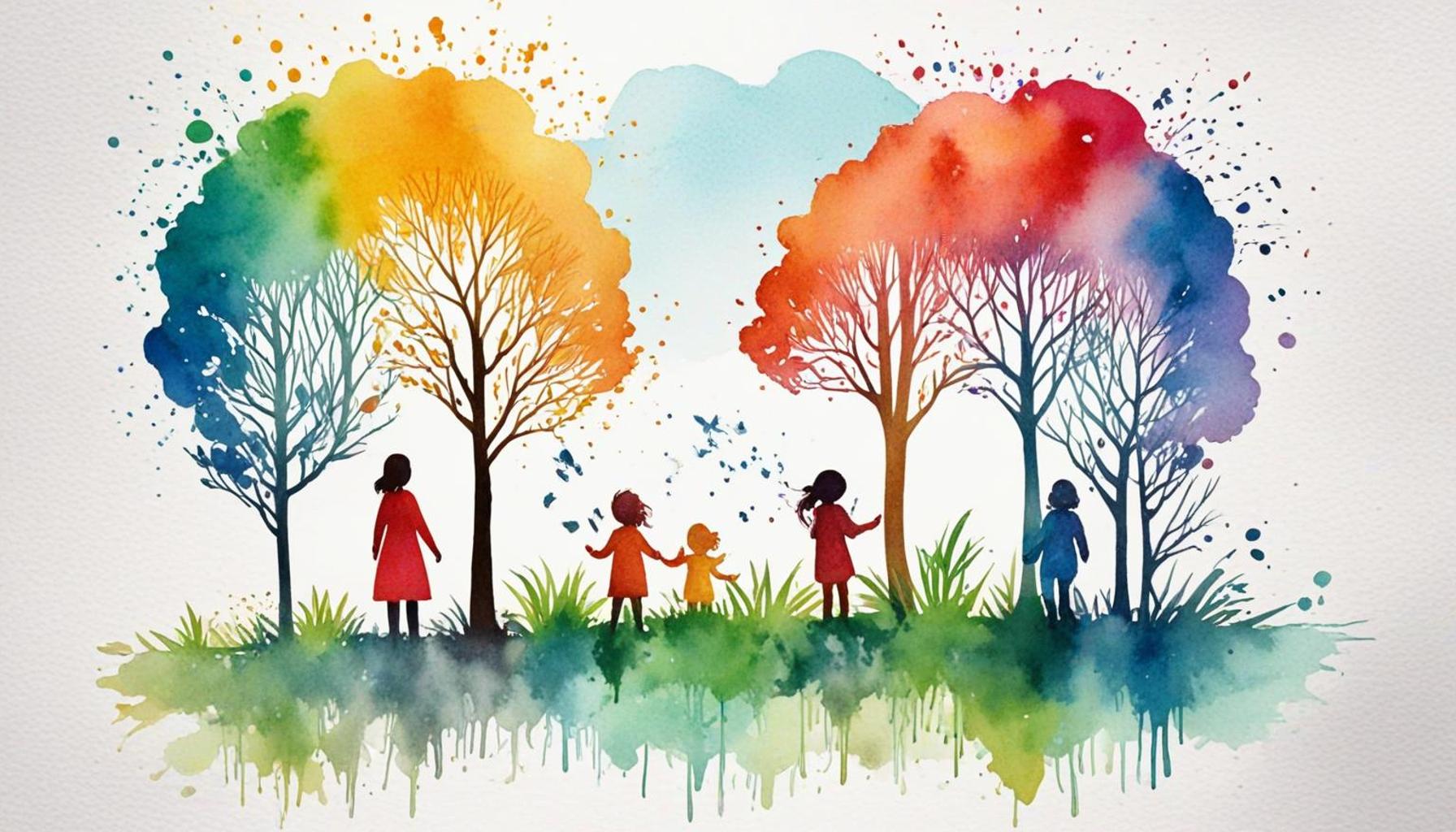
During difficult times, families frequently confront various stressors, from financial challenges to health issues, that can inadvertently create rifts in their relationships. However, by utilizing growth mindset techniques, these challenges can be transformed into vital opportunities that strengthen family connections and foster resilience. When families cultivate a culture of positivity and adaptability, they often find themselves emerging from hardships more united than before.
What is Family Resilience?
Family resilience is the capacity of families to withstand, recover from, and even thrive in the face of adversity. This ability is critical in navigating the complexities of life, particularly when faced with societal and economic hurdles, as is common across many Nigerian communities. Resilient families are characterized by their ability to:
- Adapt to changes and challenges while maintaining harmony.
- Communicate openly about feelings and concerns, creating an atmosphere of trust.
- Support each other through difficult moments, fostering an understanding that no one should face challenges alone.
For instance, during the COVID-19 pandemic, many Nigerian families faced unprecedented challenges. Those who leaned on each other’s strengths and shared responsibilities often found novel ways to cope, from establishing new routines to engaging in collective problem-solving for financial stability.
Growth Mindset Techniques
The concept of a growth mindset, introduced by psychologist Carol Dweck, is founded on the belief that abilities and intelligence can be developed through dedication and hard work. This mindset can significantly impact family dynamics, leading to:
- Greater cooperation among family members, as they view challenges as opportunities to grow together.
- Improved problem-solving skills, as families encourage each other to explore new solutions rather than becoming paralyzed by difficulties.
- A nurturing environment that promotes creativity and innovation, allowing family members to express themselves and share ideas freely.
In Nigeria, where many families are navigating economic fluctuations and societal pressures, the connection between mindset and familial bonds cannot be overstated. By adopting a growth mindset, families can shift from a fear of failure to an appreciation of learning from experiences. Additionally, community practices, such as storytelling, often emphasize resilience, teaching younger generations the value of persistence and adaptability.
Ultimately, leveraging these techniques can serve as a critical factor in thriving despite adversity. As families come together, encouraging one another to grow, they reinforce their ties and cultivate a unified sense of identity. Embracing the principles of resilience and a growth mindset equips families with the tools they need to navigate life’s complexities and emerge stronger together.
SEE ALSO: Click here to read another article
Nurturing Resilience through Growth Mindset Techniques
As families face various adversities, the ability to cultivate a strong family resilience becomes crucial. By adopting growth mindset techniques, families can harness the power of adversity as a means to foster deeper connections and collaborative problem-solving. But how do these techniques manifest in daily life, especially in the context of Nigerian families?
Key Growth Mindset Techniques for Strengthening Family Bonds
Implementing growth mindset principles can significantly transform how families react to challenges. Here are several effective techniques that can be adopted:
- Encouraging Open Communication: Establishing an environment where family members feel comfortable sharing their fears and concerns is vital. Regular family meetings can serve as a platform for discussing challenges and brainstorming solutions collectively.
- Celebrating Efforts Over Outcomes: Instead of focusing solely on results, families should learn to appreciate the effort put into tackling issues. This shifts the narrative from a fear of failure to a recognition of perseverance and commitment.
- Fostering a Culture of Experimentation: Family members should be encouraged to try new approaches when faced with obstacles. Whether that’s attempting a new budgeting strategy during financial difficulties or exploring different educational resources, this openness can spark creative solutions and strengthen family collaboration.
- Practicing Gratitude Together: Engaging in gratitude exercises, where families reflect on what they appreciate about each other, can enhance emotional connections. This practice helps in shifting focus from stressors to positive interactions, building a sense of unity.
In many Nigerian households, traditional practices often emphasize resilience and communal support. This cultural backdrop can be leveraged, integrating age-old wisdom with modern growth mindset techniques. For instance, storytelling sessions among family members not only serve as entertainment but also as educational moments, where lessons about overcoming hardship are shared. These narratives reinforce family identity and provide context for current challenges, making it easier for younger generations to appreciate the importance of resilience.
Additionally, the growing prevalence of digital communication presents unique opportunities for families to remain connected. Virtual family gatherings or discussion groups can serve as modern adaptations to strengthen ties, particularly when faced with geographical or logistical barriers. This flexibility reflects the adaptability core to both family resilience and a growth mindset.
By embracing these techniques, families can actively work towards resilience. They not only reinforce their connections but also empower each member to confidently face life’s ups and downs. Ultimately, the journey of developing a growth mindset contributes profoundly to creating a thriving home environment, one where adversity becomes a stepping stone to unity and understanding.
| Advantage | Description |
|---|---|
| Improved Communication | Utilizing growth mindset techniques fosters open dialogues, allowing family members to express feelings without fear. |
| Increased Empathy | These techniques enable family members to understand different perspectives, resulting in deeper emotional connections. |
In times of hardship, implementing a growth mindset can significantly enhance family resilience. Embracing the idea that challenges are opportunities for growth encourages a more unified approach to tackling difficulties. Families can see each obstacle as a chance to learn, thereby forging stronger emotional ties. With an emphasis on persistence and adaptability, family dynamics strengthen, creating an environment where support thrives.Moreover, practical exercises such as setting collective goals can be pivotal in promoting teamwork and collaboration. When family members work toward common objectives, each individual is valued, fostering mutual respect and understanding. These shared experiences can transform familial relationships, reinforcing the bonds that can often fray under pressure. The path of growth and resilience is continual; small changes today can lead to significant benefits in the future, nurturing a sense of security and belonging within the family unit.
CHECK OUT: Click here to explore more
Building Connection and Strength Through Shared Experiences
In the journey towards strengthening family resilience, shared experiences serve as the backbone in fostering unity during difficult times. In Nigeria, where familial bonds are deeply rooted in tradition and communal living, the alignment of growth mindset techniques with everyday family practices can amplify the collective strength that is essential during challenging periods.
Engaging in Family Activities as a Basis for Growth
Initiating family-wide activities that encourage collaboration can be an effective way to bolster resilience. For example, family volunteering serves not only as a source of community support but also as an avenue for family members to develop empathy and teamwork. When families engage together in charitable activities, such as feeding the less fortunate or supporting local initiatives, they cultivate a sense of purpose and shared values. These experiences can lead to deeper conversations about challenges within the family and society, fostering problem-solving skills as a united front.
Additionally, simple activities like cooking a traditional meal together can reinforce family ties. Not only do these shared experiences teach essential life skills, but they also open the door to intergenerational storytelling, allowing older members to share lessons learned from past trials. This kind of interaction enhances mutual understanding and strengthens the emotional fabric of the household.
Resilience in the Face of Educational Challenges
In today’s rapidly changing world, educational challenges are a common source of stress for families. The integration of a growth mindset in educational pursuits can mitigate these challenges. Instead of viewing academic difficulties as insurmountable, families can frame these moments as opportunities for growth. For example, parents can work with their children through homework difficulties by encouraging them to see mistakes as learning experiences. Celebrating small improvements in grades can shift the focus from grade-based outcomes to personal development, enhancing the child’s confidence and reducing anxiety.
This supportive environment can transform routine family discussions into constructive feedback sessions, where both parents and children learn to express their viewpoints. By emphasizing effort and improvement, families can help their members view challenges not as threats but as chances for personal enhancement. This relatability promotes a crucial sense of solidarity, enabling family members to encourage each other through academic hardships.
The Role of Cultural Practices in Enhancing Resilience
Nigerian culture is rich in practices that cultivate resilience and community support. Drawing from African proverbs, such as “If you want to go fast, go alone; if you want to go far, go together,” families can activate a collective growth mindset that accentuates the strength found in unity. Integrating traditional practices, such as holding family discussions or community gatherings, allows for the sharing of experiences and resources. Leveraging community support can also create a buffer against the stressors families face, enriching emotional bonds through comforting communal ties.
By acknowledging the significance of both modern growth mindset techniques and traditional cultural practices, Nigerian families can create a holistic approach to resilience-building. This blend not only supports individual growth but also nourishes family interconnectedness, creating a robust support system during life’s inevitable challenges.
ADDITIONAL INSIGHTS: Expand your understanding here
Conclusion: Embracing a Resilient Family Future
In the face of challenges, the strength of a family is often tested, and family resilience becomes crucial to maintaining harmonious bonds. By integrating growth mindset techniques into daily life, families can cultivate an environment where challenges are met with understanding, compassion, and cooperation. The ability to approach difficulties as opportunities for growth not only enhances individual capabilities but also strengthens familial ties, fostering deeper connections.
Engaging in shared activities, whether through community service or traditional family gatherings, creates a platform for open dialogue and collective problem-solving. This shared journey allows families to navigate the complex landscape of modern challenges together, reinforcing the belief that unity amplifies strength. Moreover, integrating cultural practices—rooted in love and respect—further enriches the familial landscape, creating a well-rounded approach to resilience.
As Nigerian families continue to face societal and emotional pressures, adopting a growth mindset can shift perspectives from fear of failure to the pursuit of continuous improvement. Encouraging children to embrace learning from mistakes cultivates an environment where failures are seen as stepping stones, leading to enhanced confidence and reduced anxieties about academic and life challenges.
Looking forward, the commitment to nurturing family resilience through these techniques promises not only to empower individuals within the family unit but also to promote emotional well-being that can withstand the tests of time. By embracing these practices, families can build a legacy of resilience, ensuring that the bonds forged in adversity will only grow stronger, paving the way for a promising future.
Related posts:
Strengthening Resilience in Nigerian Entrepreneurs: Growth Mindset Techniques to Overcome Adversitie...
Fostering Resilience Through Personal Growth: Growth Mindset Techniques to Overcome Challenges
Developing Resilience in Community Leaders: Growth Mindset Techniques to Impact Society
Resilience Techniques for Nigerian Professionals: Building a Growth Mindset in Challenging Environme...
Resilience and Mental Health: Applying Growth Mindset Techniques to Promote Well-Being in Nigeria
Resilience Strategies for Young Entrepreneurs Cultivating a Growth Mindset

Linda Carter is a writer and self-discipline expert specializing in personal growth, habit building, and goal achievement. With extensive experience helping individuals develop focus, consistency, and resilience, Linda shares her knowledge on our platform. Her goal is to empower readers with practical advice and strategies to cultivate self-discipline, make intentional choices, and achieve success in both their personal and professional lives.