Effective Strategies for Continuous Learning and Growth Mindset

Unlocking Your Potential
In an ever-evolving world, the ability to adapt and grow is more crucial than ever. Embracing a growth mindset allows individuals to view challenges as opportunities rather than obstacles. This mindset not only fosters resilience but also encourages a lifelong passion for learning.
Incorporating continuous learning into daily life creates a pathway to personal and professional development. When combined with effective strategies, it transforms the way we approach tasks, relationships, and even failures. Here are some essential points to consider:
- Mindset Shift: Understanding the difference between fixed and growth mindsets.
- Resourcefulness: Utilizing tools and resources for ongoing education.
- Cultivating Curiosity: Encouraging questions and exploration in everyday scenarios.
Get ready to explore the Top 5 strategies that can seamlessly integrate continuous learning into your life, paving the way for a richer, more rewarding journey. Each method is designed to empower you towards embracing challenges and unlocking your true potential.
LEARN MORE: This related article may interest you
Top 5 Strategies for Integrating Continuous Learning into Daily Life and Fostering a Growth Mindset
In the fast-paced world we live in, the concept of continuous learning has transcended from being an option to a necessity. Embracing a growth mindset is more than just a catchy phrase; it is an essential component of personal and professional development. Continuous learning enhances skills, fosters resilience, and opens new avenues for success. This deep dive into the top five strategies provides practical insights into making lifelong learning a fundamental part of everyday life, focusing on cultivating a growth-oriented outlook.
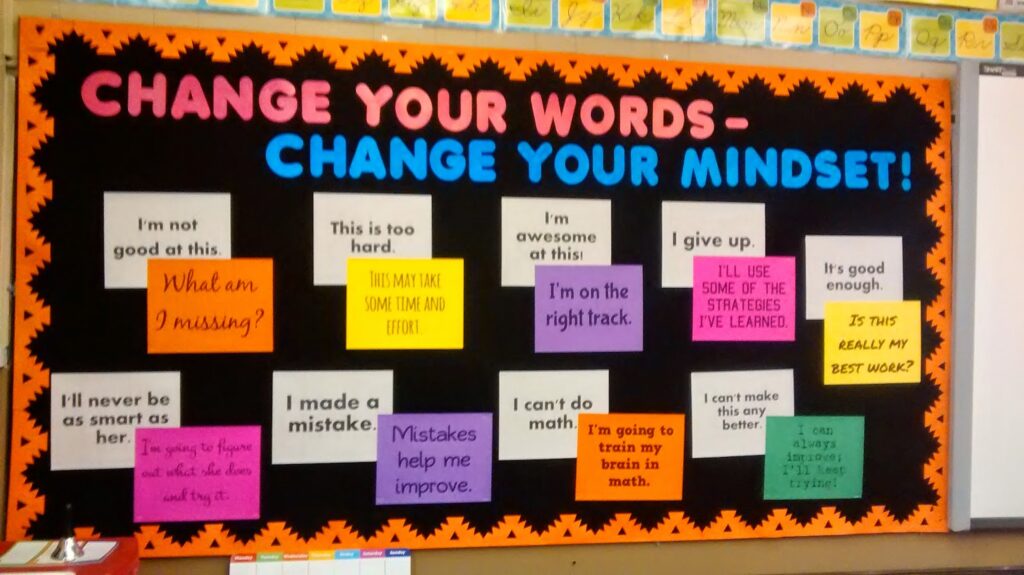
5. Leverage Technology for Learning
In our digital age, technology has emerged as a powerful ally in fostering continuous learning. The internet has unlocked a myriad of opportunities for self-improvement and skill acquisition, from the comfort of one’s home or on the go. Platforms such as Coursera, Udemy, and Khan Academy have revolutionized access to structured courses across various fields, tailoring to diverse personal and professional goals.
Beyond formal courses, there is a rich world of podcasts and YouTube channels that offer bite-sized learning on various topics. This type of learning can conveniently fit into commutes or daily chores. Additionally, community forums provide a virtual gathering space for like-minded learners to exchange ideas and resources, fueling collective growth.
By adapting technology to cater to your unique learning style, you enhance understanding and retention. Engaging in virtual study groups or participating in discussion boards further enriches your knowledge through collaboration, a core principle of the growth mindset.
4. Set SMART Goals for Learning
Setting Specific, Measurable, Achievable, Relevant, and Time-bound (SMART) goals is a fundamental strategy in personal development paradigms. These goals provide a framework, serving as a personalized roadmap for continuous learning. For instance, instead of loosely planning to “read more,” shaping a goal to “read one professional development book per month” allows systematic tracking of progress and motivates continuous effort.
Moreover, the practice of regularly reviewing goals ensures they remain aligned with your evolving aspirations and life circumstances. Celebrating small achievements as you meet these milestones reinforces the growth mindset, fostering confidence to take on greater challenges.
3. Practice Reflective Learning
Reflective learning is a powerful tool to solidify new knowledge and hone decision-making. This process involves thoughtfully examining experiences, recognizing successes, and identifying areas for improvement. Keeping a learning journal is an effective practice in capturing these learnings.
- Document experiences and new skills acquired.
- Record the outcomes and lessons learned from each endeavor.
- Identify recurring patterns and insights that can inform future actions.
This form of self-assessment fosters a recurring cycle of improvement, pivotal for a growth mindset. Reflection aids in refining your approach to learning and increasing adaptiveness to new challenges.
2. Embrace Challenges and Failures
The cornerstone of cultivating a growth mindset lies in how one perceives challenges and failures. Instead of viewing them as insurmountable blocks, reframing these experiences as opportunities for learning and growth is key. When faced with adversity, recognizing that challenges can lead to uncharted opportunities for self-discovery is essential.
Implementing this practice can begin with:
- Identifying a current challenge that demands resolution.
- Exploring potential solutions and reflecting upon learning opportunities that arise from overcoming this challenge.
- Reviewing past failures to distill valuable lessons.
Adopting this perspective enables navigation through obstacles with resilience and enthusiasm, greatly enriching your continuous learning journey.
1. Cultivate a Learning Culture in Your Environment
The most profound transformation occurs when you embed a culture of learning in your environment. Encouraging a supportive learning culture among peers and colleagues can significantly impact personal growth and success. Surrounding yourself with individuals who prioritize growth and learning acts as a catalyst, amplifying your own growth mindset.
In both personal and professional settings, engaging in collaborative projects becomes a conduit for knowledge exchange. Participating in workshops, seminars, and team-building activities focused on skill enhancement not only broadens your skill set but also promotes an atmosphere that values education.
Moreover, encouraging others to share their learning experiences creates a dynamic exchange of ideas, nurturing a vibrant learning community. This collective approach towards learning not only enriches individual journeys but also uplifts the entire community, reinforcing the importance and effectiveness of continuous learning.
By embracing these strategies, you establish a robust framework for integrating continuous learning into daily life. This commitment not only leads to personal and professional fulfillment but also helps cultivate a lasting growth mindset. It prepares individuals to navigate an ever-evolving world with confidence, adaptability, and an unquenchable thirst for knowledge.
| Category | Advantages |
|---|---|
| Daily Learning Opportunities | Integrating learning into daily routines allows individuals to acquire new skills organically, fostering endless growth without overwhelming pressure. |
| Embracing Challenges | A mindset geared towards overcoming obstacles leads to better problem-solving abilities and increased resilience in the face of setbacks. |
| Feedback Mechanisms | Utilizing constructive criticism helps in identifying growth areas and enhances the capacity to adapt and improve continuously. |
| Lifelong Networking | Building relationships with diverse groups stimulates knowledge sharing, exposing individuals to varied perspectives and innovative ideas. |
Exploring daily learning opportunities shifts the focus from formal education to practical application, merging life and learning seamlessly. An everyday commitment to small, digestible learning moments contributes to significant long-term skill development, ensuring that education remains relevant to one’s evolving circumstances and interests.Embracing challenges is another pivotal trait of a growth mindset. By confronting difficulties head-on instead of avoiding them, individuals not only develop their resilience but also enhance their adaptability. This proactive approach fosters a culture of determination, encouraging the belief that effort and perseverance lead to success, regardless of the obstacles faced.Incorporating feedback mechanisms into everyday interactions accelerates personal and professional growth. By actively seeking feedback from peers, mentors, or supervisors, individuals gain critical insights that guide their development. This practice cultivates a positive atmosphere where learning is viewed as a continual process rather than a final destination.Lastly, maintaining a network of diverse individuals allows for a rich exchange of ideas. Interactions with others from various backgrounds can spark creativity, inspire new projects, and enhance problem-solving skills for real-world challenges. This collaboration broadens perspectives and encourages innovation, thus reinforcing the importance of continuous learning and growth.
LEARN MORE: This related article may interest you
Frequently Asked Questions about Integrating Continuous Learning and Fostering a Growth Mindset
What are some practical strategies to integrate continuous learning into daily life?
Integrating continuous learning into daily life can begin with small, actionable steps. Setting aside dedicated time each day for learning, whether through reading, online courses, or attending workshops, can solidify this habit. Utilizing moments of downtime during commutes or breaks to listen to educational podcasts or audiobooks is another effective method. Additionally, engaging with online learning communities or study groups can provide motivation and accountability.
How can continuous learning contribute to a growth mindset?
Continuous learning exposes individuals to new ideas and challenges, encouraging them to step out of their comfort zones. This process reinforces the belief that intelligence and skills can be developed over time, a core tenet of a growth mindset. Moreover, encountering and overcoming difficulties during learning experiences strengthens resilience and adaptability, further promoting a mindset focused on growth and improvement.
What role do employers play in promoting continuous learning and a growth mindset among their employees?
Employers are pivotal in fostering a culture of continuous learning and a growth mindset in the workplace. By offering professional development programs, encouraging participation in workshops, and supporting learning initiatives, companies can create environments where employees feel valued and motivated to grow. Additionally, recognizing and rewarding efforts towards personal and professional development can inspire staff to embrace lifelong learning actively.
Are there any digital tools or platforms that effectively support continuous learning?
Yes, there are numerous digital tools and platforms designed to facilitate continuous learning. Platforms such as Coursera, Udemy, and LinkedIn Learning offer a wide array of courses across various fields. Apps like Duolingo for language learning or Khan Academy for academic subjects provide engaging and interactive methods to acquire new skills. Integrating these resources into daily routines can significantly enhance learning experiences.
How does continuous learning impact personal growth outside of professional settings?
Continuous learning greatly benefits personal growth by enhancing cognitive abilities, improving self-confidence, and expanding one’s worldview. As individuals acquire new knowledge and skills, they can apply these in everyday situations, enriching their personal lives. Learning about different cultures, languages, or hobbies adds depth and diversity to one’s life experiences, promoting a more fulfilled and engaged approach to life.
SEE ALSO: Click here to read another article
Conclusion
In summarizing the essence of practical strategies to integrate continuous learning in everyday life and foster a growth mindset, it’s clear that adopting a resilient and curious approach to knowledge can transform personal and professional trajectories. At the heart of this transformation is the ability to stay adaptive and open to change. The article explored five key strategies that serve as a roadmap for cultivating a growth mindset.
Firstly, embedding routine reflection allows individuals to assess their learning journey, identifying areas for improvement. Secondly, embracing new experiences and challenges encourages stepping out of comfort zones, vital for personal growth. The third strategy, fostering a strong network of connections, underscores the importance of collaborative learning and diverse perspectives. Furthermore, utilizing technology and online resources can break geographical barriers, offering access to a wealth of knowledge. Lastly, maintaining a positive outlook towards failures as learning opportunities aids in developing resilience and perseverance.
These strategies, when consistently applied, not only enhance one’s ability to learn continuously but also bolster a proactive and positive approach to life’s challenges. Implementing these practices offers a new lens through which individuals view setbacks as stepping stones rather than obstacles. Fostering a growth mindset is not solely about personal achievement; it’s integral to thriving in an ever-evolving global landscape. Therefore, as we move forward, embracing these strategies could determine not only our personal success but also our contribution to a dynamic and innovative society.
By focusing on these actionable steps, readers are invited to not just absorb information but to actively integrate these practices into their daily routine. In doing so, they can transform their mindset and open doors to unprecedented opportunities.
Related posts:
The Influence of Reading and Self-Development on the Formation of a Growth Mindset
The Importance of Continuous Learning in Building a Growth Mindset
The Importance of Continuous Learning for Developing a Growth Mindset
Developing a Growth Mindset Through Practical and Collaborative Projects
Developing Resilience Skills Through Continuous Learning
The Role of Learning Communities in Strengthening the Growth Mindset

Linda Carter is a writer and self-discipline expert specializing in personal growth, habit building, and goal achievement. With extensive experience helping individuals develop focus, consistency, and resilience, Linda shares her knowledge on our platform. Her goal is to empower readers with practical advice and strategies to cultivate self-discipline, make intentional choices, and achieve success in both their personal and professional lives.