Continuous Learning in Multicultural Environments: Building a Growth Mindset in Nigeria
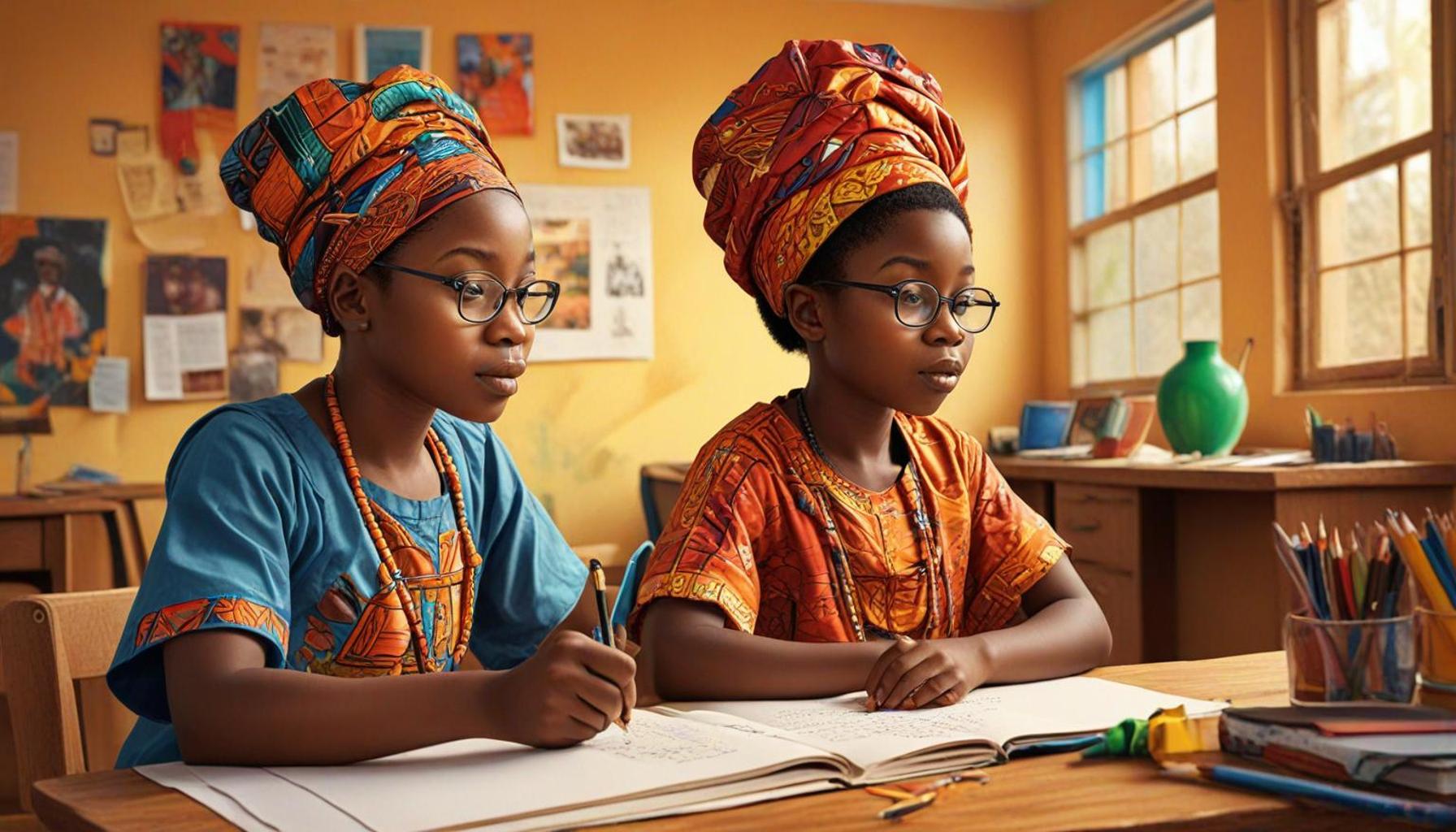
Understanding Continuous Learning in Nigeria
In a nation rich with over 250 ethnic groups, each possessing its own unique customs and dialects, the call for continuous learning resonates powerfully. Nigeria stands as a testament to cultural richness; therefore, developing a growth mindset is not merely advantageous but essential for thriving in this dynamic environment. The fusion of cultures presents a fertile ground for personal and professional development, allowing individuals to cultivate adaptability, resilience, and, importantly, a zest for learning.
The Value of Diversity
The multicultural landscape of Nigeria, characterized by major ethnic groups like the Yoruba, Igbo, and Hausa, coupled with a wealth of languages—such as Pidgin English, English, and local dialects—offers a plethora of perspectives. This diversity encourages diverse perspectives, enhancing critical thinking and innovative problem-solving. For instance, brainstorming sessions involving individuals from different backgrounds may produce unique solutions, whether in a tech startup in Lagos or a community initiative in Enugu.
Fostering Collaboration Skills
Engagement with different cultures also fosters collaboration skills. When people share their diverse ways of approaching problems, they learn the art of teamwork and empathy. Consider a scenario where a project team comprises both urban and rural members. This blend can lead to creative solutions that are more relatable across varying demographics, enhancing project outcomes and promoting inclusivity.
Overcoming Communication Barriers
Furthermore, navigating language barriers serves to enhance communication skills. Learning to articulate ideas clearly and effectively, regardless of the language spoken, sharpens both verbal and non-verbal communication abilities. The ability to negotiate and connect with individuals from different backgrounds instinctively enriches a person’s interpersonal skills—a core competency in today’s globalized job market.
Benefits of Developing a Growth Mindset
As Nigerians increasingly embrace the principles of continuous learning, several key benefits come to light. For instance, this approach fosters a productivity boost. Individuals who engage in lifelong learning initiatives are often more engaged and empowered, resulting in improved job performance. Furthermore, developing cultural competence is beneficial in enhancing professional relationships. This understanding allows one to navigate workplace dynamics deftly, respecting differences while leveraging them for team success.

Community Building Through Shared Experiences
Importantly, continuous learning leads to community development. Shared learning experiences create a strong network of relationships, vital for the social fabric of Nigerian society. Initiatives like community literacy programs or vocational training workshops not only uplift individuals but foster communal ties that celebrate shared growth and knowledge.
By understanding the principles of continuous learning and the rewards of adopting a growth mindset, Nigerians can transform personal and community prospects. This exploration encourages us to embrace fresh strategies and practices that further integrate continuous learning into our daily lives, spotlighting its capacity to revolutionize our society.
YOU MAY ALSO LIKE: Read read another article
Embracing Multicultural Learning Opportunities
To truly embrace continuous learning in Nigeria’s multifaceted cultural tapestry, it is crucial to recognize the various opportunities that arise from this diversity. Engaging with different cultures not only broadens one’s horizons but also enhances the learning experience through shared knowledge, traditions, and practices. In cities such as Lagos and Abuja, local marketplaces act as vibrant hubs where diverse ethnic groups converge, exchanging not just goods but also ideas and skills. This melting pot of cultures serves as an ongoing classroom where individuals can learn from one another, fostering both personal and collective growth.
Leveraging Technology for Inclusive Learning
In the digital age, technology plays a pivotal role in facilitating continuous learning across Nigeria’s multicultural landscape. E-learning platforms, such as Andela and Dichaba Academy, are actively bridging gaps in education by providing access to quality learning resources tailored to various cultural experiences. These platforms enable individuals from diverse backgrounds to collaborate on projects and share insights, promoting a robust growth mindset. For instance, a budding software developer from the North can collaborate with a graphic designer from the South, showcasing the power of multicultural teamwork.
Identifying Learning Channels
To maximize the benefits of continuous learning, it’s essential for individuals to seek out various learning channels that resonate within the multicultural framework. Below are some recommended channels:
- Community Workshops: Local organizations often host workshops that bring together participants from different ethnic backgrounds, allowing them to learn from each other.
- Cultural Events: Festivals and cultural celebrations provide unique opportunities for learning through traditional art forms, food, and storytelling.
- Mentorship Programs: Pairing experienced professionals with younger individuals from diverse backgrounds can facilitate knowledge transfer and cultural exchange.
- Online Learning Platforms: Websites that focus on local languages and practical skills can help learners engage more deeply with the subject matter.
Building Resilience Through Learning
As Nigerians navigate various cultural landscapes, promoting resilience through continuous learning becomes vital. Resilience allows individuals to face challenges head-on, adapting their perspectives and approaches as needed. For example, an entrepreneur facing regulatory hurdles may benefit from learning about the experiences of others in their community who have overcome similar challenges. By continuously seeking knowledge and insights from their multicultural surroundings, they not only enhance their problem-solving skills but also inspire a collective resilience that can strengthen their community.
In fostering a culture of continuous learning among Nigeria’s diverse groups, individuals not only build personal capabilities but also contribute to the development of a more informed and progressive society. The journey towards a growth mindset is enriched by the myriad of experiences that a multicultural environment offers, highlighting the importance of being open, adaptable, and innovative in the face of challenges.
| Advantages | Details |
|---|---|
| Enhanced Collaboration | Understanding different cultural perspectives fosters teamwork and innovative problem-solving. |
| Adaptability to Change | Exposure to diverse viewpoints encourages flexibility and resilience in various situations. |
| Personal Growth | Continuous learning nurtures cognitive development and strengthens emotional intelligence. |
| Increased Opportunities | Building a growth mindset enhances employability and opens doors to global networks. |
The interplay of continuous learning and multicultural environments within Nigeria’s educational landscape is significant. It creates a fertile ground for cultivating a strong growth mindset, enabling learners to embrace challenges and persist in the face of setbacks. This adaptability not only prepares individuals for personal success but also equips them to contribute meaningfully to their communities. Learning about various cultures and their unique contributions fosters empathy, allowing individuals to navigate complex social landscapes with ease.Moreover, blending diverse cultural perspectives in educational settings enriches the learning experience, providing students with a broadened worldview. This interconnectedness is vital in Nigeria’s increasingly global society. Through collaborative projects and dialogue, learners become more aware of global issues, fostering a sense of responsibility and citizenship. By embracing the principles of continuous learning, individuals can challenge stereotypes and promote inclusivity. The wealth of knowledge gained from intercultural exchanges empowers students, encouraging a lifelong pursuit of education that transcends regional barriers and propels them toward a brighter future.
CHECK OUT: Click here to explore more
Creating Collaborative Learning Environments
In a nation as eclectic as Nigeria, collaborative learning environments can significantly enhance the process of continuous learning. These environments not only encourage personal growth but also allow individuals to take advantage of the expertise that arises from diverse backgrounds. For instance, educational institutions can collaborate with community leaders to develop programs that are culturally relevant and promote inclusivity. By integrating local cultures into the curriculum, schools can enhance student engagement as well as respect for varied traditions.
Importance of Language in Multicultural Learning
Language is a cornerstone of cultural identity, playing a vital role in building a growth mindset within multicultural environments. Nigeria’s linguistic diversity, with over 500 languages spoken, provides a unique opportunity for learners to appreciate and adopt multilingual education approaches. Initiatives that promote bilingual or multilingual education can enhance cognitive skills and cultural empathy among learners. Schools in regions like the South-East, where Igbo is widely spoken, can host language exchange programs that foster communication skills while bridging cultural gaps. Such programs not only cultivate a sense of belonging but also empower students to leverage language as a tool for learning and collaboration.
Emphasizing Emotional Intelligence
Within multicultural settings, emotional intelligence also emerges as a key skill that supports continuous learning. Emotional intelligence allows individuals to navigate the complexities of cultural differences, conflicts, and shared experiences. Training programs that focus on developing emotional intelligence can aid professionals in recognizing and respecting diverse perspectives. In workplaces across Nigeria, employees working in multicultural teams benefit from workshops that teach active listening and conflict resolution skills, resulting in a more harmonious work environment. This emphasis on emotional intelligence not only enhances collaboration but is also crucial for cultivating an atmosphere conducive to open dialogue and innovation.
Utilizing Local Innovations in Learning
Nigeria is home to various local innovators who have developed unique educational resources that cater to the societal needs. For example, initiatives like RoboRave Nigeria leverage technology and robotics to engage students from different cultural backgrounds in problem-solving challenges. Such innovative educational projects foster a spirit of collaboration and creativity, stimulating the growth mindset necessary for success in a globalized world. Furthermore, local startups focusing on educational technologies provide platforms that customize learning experiences based on cultural contexts, enhancing accessibility and relevance.
Encouraging Lifelong Learning Through Community Involvement
Finally, building a sustainable culture of continuous learning demands community involvement. When community members engage in learning initiatives, they not only share knowledge but also bolster collective well-being. Initiatives like community clean-up campaigns followed by educational workshops can foster a sense of responsibility while teaching practical skills. Additionally, mentoring programs led by community elders highlight the importance of passing down traditional knowledge, which fosters respect for cultural heritage while promoting a growth mindset. Such initiatives exemplify how learning can be woven into the very fabric of daily life, reinforcing the idea that education extends beyond formal institutions.
By creating environments that prioritize collaboration, emotional intelligence, local innovations, and community involvement, Nigerians can effectively harness the potential of their rich multicultural heritage to foster a robust culture of continuous learning.
CHECK OUT: Click here to explore more
Conclusion
In conclusion, continuous learning in the vibrant landscape of Nigeria’s multicultural environment is not just a necessity; it is a transformative approach to education and personal growth. By embracing the richness of cultural diversity, educational institutions and communities can cultivate a growth mindset that empowers individuals to thrive, innovate, and contribute positively to society. The establishment of collaborative learning environments, the emphasis on emotional intelligence, and the integration of local innovations create a foundation where learners are encouraged to explore, ask questions, and share knowledge across cultural lines.
Furthermore, as Nigeria champions initiatives that promote multilingual education and community involvement, there lies an opportunity to bridge cultural gaps, enhance understanding, and foster respect among its citizens. This approach turns learning into a collective endeavor that not only enriches knowledge but also strengthens societal bonds. As we move forward, it is crucial for stakeholders—be it educators, parents, or industry leaders—to prioritize lifelong learning and continually invest in innovative strategies that resonate with Nigeria’s unique cultural tapestry.
Ultimately, by leveraging our strengths and embracing continuous learning, Nigerians will not only prepare themselves for a global future but also ensure that the heritage of the past is honored and integrated into the fabric of a brighter tomorrow. The journey is ongoing, and as we adapt and evolve, the development of a growth mindset will undoubtedly pave the way for a more inclusive, resilient, and thriving Nigeria.
Related posts:
The Importance of Curiosity and Innovation in Continuous Learning in Nigeria
Developing a Growth Mindset Through Practical and Collaborative Projects
How Technology Enhances Continuous Learning and Fosters a Growth Mindset
Developing Resilience Skills Through Continuous Learning
How Constructive Feedback Drives Continuous Learning and a Growth Mindset in Nigerian Organizations
Mentorship and Continuous Learning: Building Support Networks for Personal Growth

Linda Carter is a writer and self-discipline expert specializing in personal growth, habit building, and goal achievement. With extensive experience helping individuals develop focus, consistency, and resilience, Linda shares her knowledge on our platform. Her goal is to empower readers with practical advice and strategies to cultivate self-discipline, make intentional choices, and achieve success in both their personal and professional lives.