The Connection Between Practical Learning and Growth Mindset in Business Environments
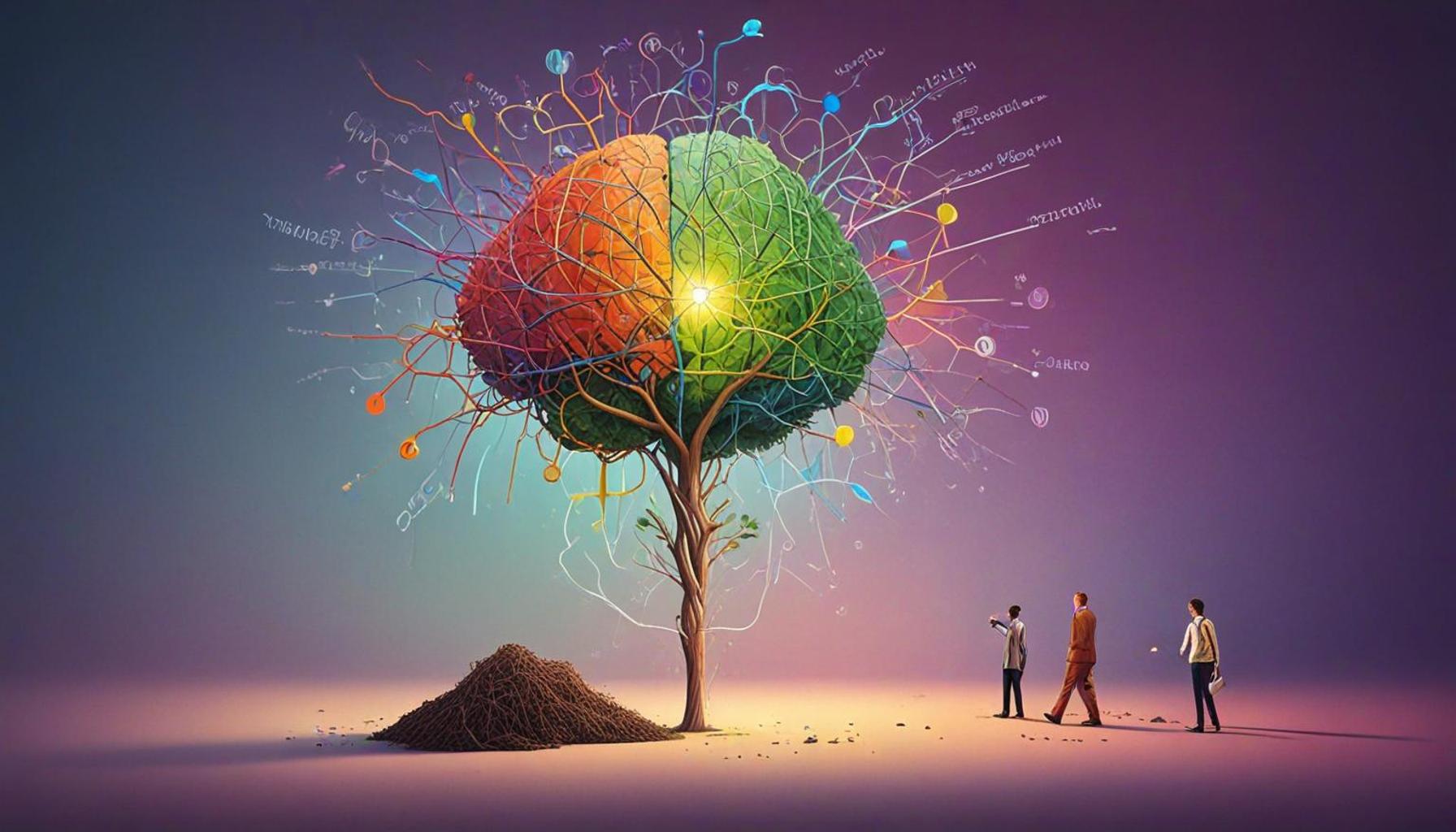
The Role of Learning and Mindset in Business Success
In today’s rapidly evolving business landscape, companies are increasingly recognizing the importance of fostering a culture that embraces learning. The combination of practical learning and a growth mindset serves as a potent catalyst for innovation and resilience in the face of challenges. As the world continues to change at an unprecedented pace, organizations must adapt quickly, and these concepts provide the necessary framework for such adaptation.
Let’s delve deeper into the interaction between these key concepts:
- Practical Learning: Engaging with real-world challenges not only enhances problem-solving skills but also instills a sense of confidence in employees. For instance, a company in Nigeria may implement a rotational training program allowing employees to rotate through various departments. This hands-on experience equips them with a well-rounded understanding of the company’s operations and fosters collaborative problem-solving.
- Growth Mindset: Cultivating a belief in the ability to improve is essential in today’s workforce. This mindset promotes persistence in the face of setbacks and encourages employees to view challenges as opportunities for development. Companies like Flutterwave and Paystack highlight this approach by allowing employees to undertake ambitious projects that test their limits and professional capabilities.
- Business Impact: Organizations that emphasize these principles often see increased employee engagement and productivity. Recent studies indicate that companies with strong learning cultures experience 30-50% higher employee engagement. In Nigeria, where talent retention can be challenging, fostering such an environment becomes integral to success.
In Nigeria, where vibrant entrepreneurship thrives, the need for practical skills is critical in a competitive market. Training programs designed around hands-on experience allow businesses to cultivate talent that is both competent and adaptive. For instance, young entrepreneurs participating in accelerator programs often engage in workshops where they tackle real-life business problems, leading to practical solutions that can be immediately applied.
This connection is not merely theoretical; it’s embedded in the daily operations of successful enterprises. By implementing strategies that harmonize practical learning with a growth mindset, businesses are laying a foundation for long-term success. Companies that prioritize this synergy can expect not only to prepare their teams for immediate challenges but also to develop innovative leaders who can steer their corporations into the future.
Ultimately, as organizations in Nigeria and beyond embrace this dual approach, they become better equipped to navigate the complexities of the 21st-century economy. The emphasis on continuous learning and adaptability stands out as a hallmark of resilience and growth in a landscape where yesterday’s strategies may not suffice for tomorrow’s obstacles.
RECOMMENDED: Check out this similar article
The Synergy of Practical Learning and Growth Mindset
The interrelationship between practical learning and growth mindset is not just a theoretical concept; it actively influences how businesses operate and evolve, especially in Nigeria’s dynamic economic climate. By integrating practical learning into daily routines, organizations can dismantle traditional hierarchical barriers and encourage a culture where all employees feel empowered to contribute ideas and solutions.
One of the primary advantages of practical learning is how it facilitates experiential learning—learning through doing. This method allows employees to engage directly with real-world business challenges, enhancing their critical thinking skills and resilience. For instance, within Nigeria’s agricultural sector, organizations like FarmCrowdy are providing farmers with access to resources and tools through hands-on training programs. This approach not only aims to improve agricultural productivity but also fosters a community learning environment where farmers can easily share experiences and learn from each other’s challenges.
Furthermore, the significance of developing a growth mindset cannot be overlooked. A growth mindset—that belief that abilities can be developed through dedication and hard work—encourages employees to embrace challenges rather than shy away from them. Companies that cultivate this mindset often witness remarkable transformations in employee performance and overall organizational culture. For navigation in their careers or developing new skills, innovative tech firms in Nigeria, like Andela, have adopted a model that allows employees to explore diverse roles and responsibilities, challenging them to grow and step outside their comfort zones.
The benefits of merging practical learning with a growth mindset can be illustrated through several key aspects:
- Enhanced Problem-Solving: Employees gain exposure to diverse scenarios, equipping them with the skills to approach issues from various angles.
- Increased Employee Motivation: When employees engage in practical learning, they are more likely to feel a sense of ownership over their work, leading to heightened motivation and satisfaction.
- Adaptability: As challenges arise in a dynamic business environment, a combination of practical skills and a growth mindset allows employees to pivot quickly and effectively.
- Talent Retention: Investing in employees’ professional development strengthens loyalty and reduces turnover, providing long-term benefits to businesses uncertain in a competitive African market.
Moreover, organizations that prioritize developing a culture fostering both practical learning and a growth mindset can tap into the inherent creativity and potential present within their workforce. In Nigeria, where entrepreneurship is thriving and the job market continues to shift, companies embracing this dual approach can effectively attract and retain top talent. Employees are more inclined to remain loyal to organizations that demonstrate a commitment to continuous learning and professional growth.
As companies engage more deeply with integrating practical learning and cultivating a growth mindset, they will not only support their teams in navigating immediate challenges but also set the stage for sustainable growth in the future. The commitment to learning and development becomes a hallmark of success, indicating a resilient, adaptable, and forward-thinking organization ready for the opportunities that lie ahead.
The Power of Practical Learning in Fostering a Growth Mindset
Practical learning, often termed experiential learning, plays a critical role in developing a growth mindset within business environments. When employees engage in hands-on experiences, they are more likely to embrace challenges and view failures as opportunities for development. This shift in perspective is pivotal for organizations seeking to cultivate a culture where continuous growth and learning are prioritized. Moreover, practical learning activities—such as workshops, simulations, and real-world projects—equip employees with skills that are directly applicable to their roles. Such dynamic learning environments enhance their confidence, making them more adaptable to changes and uncertainties. As individuals witness their own progress and improvement through practice, they begin to see that abilities are not fixed but can be developed over time.Additionally, by fostering collaboration and peer-to-peer learning during these practical activities, employees can share insights and learn from each other’s experiences. This interconnectedness not only strengthens their professional network but also reinforces the idea that everyone has something valuable to contribute, further solidifying a growth mindset culture within the organization.
How Emotion and Reflection Enhance Learning Outcomes
Incorporating emotional intelligence into practical learning can dramatically elevate the impact of training programs. When learners connect emotionally with the material, they are more likely to retain information and apply it effectively in their daily tasks. Encouraging reflection after practical activities allows employees to critically assess their performance, analyze their mistakes, and identify areas for improvement. This reflective practice is key to developing resilience and perseverance, essential traits in a growth mindset.Research indicates that organizations that prioritize practical learning in conjunction with reflection and emotional engagement report higher employee satisfaction and productivity. Not only does this foster a culture of innovation, but it also attracts talent seeking a vibrant and supportive work environment. A growth-oriented culture, born from practical learning, positions businesses for long-term success by nurturing a workforce that continuously evolves and adapts to new challenges.
| Advantages of Practical Learning | Connection to Growth Mindset |
|---|---|
| Enhances Skill Development | Encourages employees to see challenges as opportunities for improvement. |
| Boosts Employee Confidence | Facilitates a belief that abilities can grow, fostering resilience in setbacks. |
CHECK OUT: Click here to explore more
Cultivating Innovation Through Practical Learning and Growth Mindset
As businesses navigate the complexities of an ever-evolving marketplace, the importance of fostering innovation becomes increasingly evident. Organizations in Nigeria can harness the synergy between practical learning and a growth mindset to not only boost creativity but also establish themselves as industry leaders. The concept of innovation isn’t just about generating new ideas; it’s about crafting an environment where employees feel motivated to experiment, take calculated risks, and learn from failures.
One remarkable example of this can be seen in Nigeria’s burgeoning fintech sector. Companies like Paystack have successfully adopted a culture that encourages practical learning, allowing employees to test new solutions and iterate on existing ones. By integrating real-time feedback sessions and solution-testing workshops, they empower staff to address challenges actively, thereby reinforcing a growth mindset. Employees are encouraged to embrace the idea that making mistakes is part of the learning process, which ultimately leads to more innovative outcomes.
Furthermore, practical learning can significantly bolster collaboration within teams. In a nation as diverse as Nigeria, capitalizing on varied perspectives often results in groundbreaking solutions. When businesses prioritize collaborative projects that involve hands-on learning, they facilitate interactions that help team members to overcome preconceived biases and inspire collective problem-solving. This approach has been embraced by organizations like Flutterwave, which regularly organizes hackathons that engage employees in team-based challenges, thus promoting shared learning experiences and strengthening team bonds.
Additionally, the alignment of practical learning and a growth mindset can dramatically improve customer engagement strategies. As employees learn from practical experiences, they gain deeper insights into customer needs and preferences, which can inform product development and service enhancement. For instance, Nigerian e-commerce platform Jumia encourages its workforce to participate in field experiments and customer interactions, allowing employees to gather firsthand insights that feed back into operational strategies. This not only leads to heightened customer satisfaction but also instills a sense of ownership among employees, who see their contributions directly impact the business’s success.
The infusion of this dual-strength approach can also transform leadership within organizations. Leaders who embody a growth mindset serve as role models, creating a trickle-down effect that inspires employees at all levels. The key is to nurture an ecosystem where experimentation is endorsed and continuous improvement is expected. This can be seen in companies like Interswitch, which fosters leadership development programs that emphasize practical training alongside theoretical frameworks, ensuring emerging leaders understand the importance of adaptive thinking in real-world scenarios.
As businesses further embrace the connection between practical learning and a growth mindset, they build a resilient infrastructure capable of withstanding economic shifts and market disruptions. Statistical evidence highlights the value of such an investment; research indicates that organizations that prioritize employee development and innovation experience 14% higher employee productivity and a 24% increase in overall job satisfaction. In Nigeria’s growing corporate landscape, this realization could fuel a much-needed shift towards continuous learning and adaptability, positioning companies to thrive in the face of uncertainty.
Ultimately, the fusion of these two concepts is more than just a strategy—it’s a cultural imperative that enables Nigerian businesses to cultivate environments where creativity thrives, employee potential is unleashed, and long-term success is not only a goal but a reality.
ADDITIONAL INSIGHTS: Expand your understanding here
Conclusion: Embracing the Future of Business
In the ever-changing landscape of business, the connection between practical learning and a growth mindset emerges as a cornerstone for sustainable success. As organizations in Nigeria embrace this powerful alignment, they not only activate innovation but also foster a culture that celebrates continuous development. A hands-on approach to learning cultivates resilience and adaptability, qualities that are indispensable for thriving in a competitive market.
By engaging employees in practical learning experiences, companies encourage them to confront challenges with curiosity rather than fear, thereby reinforcing the fundamental principles of a growth mindset. The examples of Nigerian firms like Paystack and Flutterwave illustrate how a commitment to experimentation and collaboration can lead to groundbreaking solutions that resonate with diverse customer needs. These organizations not only achieve operational excellence but also empower their teams, resulting in a significant boost in productivity and job satisfaction.
Moreover, the insights gained from practical interactions enable businesses to create more robust engagement strategies with their customers, positioning them as responsive market leaders. As Nigerian employers prioritize these strategies, they contribute to a larger shift in corporate culture—one that elevates employee potential and leverages collective intelligence. In essence, the integration of practical learning and a growth mindset does more than enhance business performance; it transforms workplaces into vibrant ecosystems of innovation and collaboration.
In conclusion, organizations that prioritize the synergy of practical learning and growth mindset are well-equipped to navigate uncertainties and seize opportunities, ultimately ensuring their relevance and longevity in the ever-evolving market. Forward-thinking Nigerian businesses must harness this dynamic duo, not as a passing trend but as an enduring commitment to excellence and empowerment for future generations.
Related posts:
Practical Strategies for Implementing Continuous Learning in Work Environments in Brazil
Continuous Learning in Multicultural Environments: Building a Growth Mindset in Nigeria
Effective Strategies for Continuous Learning and Growth Mindset
Continuous Learning and Adaptation to Changes in the Nigerian Labor Market
Mentorship and Continuous Learning: Building Support Networks for Personal Growth
The Importance of Continuous Learning in Building a Growth Mindset

Linda Carter is a writer and self-discipline expert specializing in personal growth, habit building, and goal achievement. With extensive experience helping individuals develop focus, consistency, and resilience, Linda shares her knowledge on our platform. Her goal is to empower readers with practical advice and strategies to cultivate self-discipline, make intentional choices, and achieve success in both their personal and professional lives.